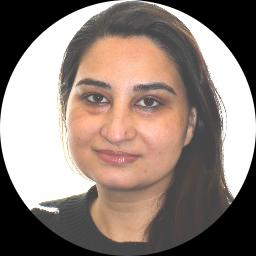
About Zarmeena
Zarmeena Afridi is a HCPC-registered practitioner psychologist with more than 15 years of experience. She focuses on helping people who are struggling with anxiety, depression, trauma, grief and related problems such as phobias. Her work is collaborative and grounded in empathy; she brings practical tools while treating the client as the expert on their life.
She has worked in hospitals, community programmes, emergency response teams, substance misuse and rehabilitation services, and public health settings.
Background and approach
That variety shaped a flexible approach to different kinds of distress and life circumstances. Sessions are tailored to what each person needs in the moment. Zarmeena uses practical, evidence-based methods such as cognitive behavioural techniques and solution-focused tasks.
Mindfulness practices are also offered to help people manage strong emotions and feel calmer day to day. Trauma-focused approaches are used when past events are affecting present life. In the room she aims for clear, simple steps people can try between sessions.
She listens for what matters to the individual and helps break problems into manageable parts. Her own experience with loss and recovery informs a warm, down-to-earth style. Sessions can address a wide range of concerns beyond mood and anxiety, including panic attacks, caregiver stress, communication problems, feelings of isolation, grief after separation, and questions about life purpose.
She speaks English, Hindi, Pushto and Urdu, and offers therapy to international clients from the United Kingdom.
Approaches you can use in online sessions
Client-Centred Therapy focuses on what matters to the person in front of the therapist. The counsellor listens with empathy and helps people find their own solutions and strengths. Cognitive Behavioural Therapy, or CBT, looks at how thoughts, feelings and actions link together and offers practical exercises to reduce anxiety, panic and low mood.Choosing the right approach is part of the work together. Zarmeena will talk about the options and try techniques collaboratively to see what helps most. Goals and preferences guide the plan, and adjustments are made over time if something is not working.
Online sessions can use video calls, phone sessions, live chat or text-based messaging, giving flexibility for different days and needs. Video is useful for face-to-face conversation and guided exercises. Phone calls work well when bandwidth is limited or a shorter check-in is needed. Chat and messaging suit quick updates, written reflections or when someone prefers non-verbal communication. These options make it easier to fit therapy around work, family and travel while still using the same therapeutic methods.
Questions people ask
What kinds of problems does she help with?
How would you describe her therapy style?
What background does she bring to sessions?
What registration or credentials does she hold?
In which languages are sessions available?
What formats are available for sessions?
How does pricing work for sessions?
How do I begin therapy with her?
What this therapist works with
Most often
Also listed
- Abandonment
- Caregiver issues and stress
- Communication problems
- Coping with life changes
- Coping with natural or human-caused disaster
- Depression
- Disruptive Mood Dysregulation Disorder (DMDD)
- Divorce and separation
- Guilt and shame
- Impulsivity
- Isolation / loneliness
- Life purpose
- Mood disorders
- Panic disorder and panic attacks
- Phobias
- Post-traumatic stress
- Postpartum depression
- Pregnancy and childbirth
- Self-love
- Social anxiety and phobia
- Women's issues
- Workplace issues
Therapeutic approaches
- Experience
- 15 years
- Licensed
- Languages
- English, Hindi, Pushto, Urdu
We will earn a commission if you sign up through our link, at no cost to you.