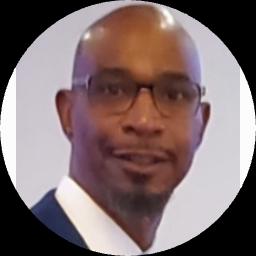
About Tyson
Tyson Spears is a Licensed Professional Counselor (LPC) in Wisconsin with thirty years of experience. He helps people manage stress, anxiety, depression, phobias, addictions, and relationship or parenting concerns. His tone is warm and straightforward, aiming to make the first step easier for someone who is worried or unsure.
Tyson uses a collaborative style. He listens first, then helps set clear, realistic goals. Sessions focus on practical steps people can use between appointments.
Background and approach
He avoids stigmatizing labels and treats each person with respect and sensitivity. Common topics he addresses include coping with life changes, low self-esteem, anger, intimacy-related issues, and compassion fatigue. He also supports people facing multicultural concerns, first responder stress, fatherhood issues, and process addictions such as gambling or problematic pornography use.
His work blends several approaches to fit each person's needs. Techniques come from acceptance and commitment ideas, cognitive behavioral strategies, motivational interviewing, mindfulness, and client-centered listening. Tyson aims to be genuine and creative when helping someone try new ways of handling problems.
People who prefer straightforward guidance will find concrete tools and calm, steady support. He encourages people to try small changes, notice what works, and adjust the plan as they go. The focus is on usable skills that make daily life easier.
Therapeutic approaches in online sessions
Acceptance and Commitment Therapy focuses on noticing thoughts and feelings without getting stuck in them, then choosing actions that match what matters to you. It is often used for anxiety, stress, phobias, and when people want clearer life direction.Cognitive Behavioral Therapy helps identify unhelpful thinking patterns and test them with practical experiments. It usually involves learning specific skills to reduce anxiety, manage mood, and change behaviors that get in the way of daily life.
Finding the right approach is part of the work. The therapist will talk with each person about goals, preferences, and what has or hasn't helped before. Together they will try methods that fit the person's needs and adjust the plan over time in a collaborative way.
Online therapy offers flexibility for busy schedules and different comfort levels. Video calls let a therapist see body language and allow deeper conversation. Phone sessions use less bandwidth and can be easier during a short break. Live chat or text-based messaging can support quick check-ins, ongoing progress notes, or moments when writing feels easier than talking. These options make it simpler to keep therapy consistent and fit it into everyday life.
Questions people ask
What concerns does Tyson commonly address?
How would you describe his therapeutic style?
How much experience does he bring to sessions?
What credentials and location are listed for this therapist?
Which languages are offered for sessions?
What formats are available for sessions?
How is cost handled for sessions?
How do I begin working with this therapist?
What this therapist works with
Most often
- Stress, Anxiety
- Self esteem
- Bipolar disorder
Also listed
- Addictions
- Aging and geriatric issues
- Anger management
- Antisocial personality
- Coaching
- Communication problems
- Compassion fatigue
- Coping with life changes
- Depression
- Family conflicts
- Family problems
- Fatherhood issues
- First responder issues
- Infidelity
- Intimacy-related issues
- Isolation / loneliness
- Jealousy
- Life purpose
- Multicultural concerns
- Parenting issues
- Personality disorders
- Phobias
- Prejudice and discrimination
- Process addiction (porn, exercise, gambling)
- Relationship issues
- Self-love
- Social anxiety and phobia
Therapeutic approaches
- Experience
- 30 years
- Licensed
- Wisconsin
- Languages
- English
We will earn a commission if you sign up through our link, at no cost to you.