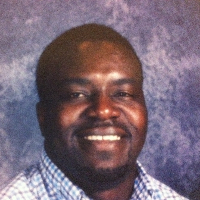
About Timothy
Timothy Pittman is a Licensed Clinical Mental Health Counselor (LCMHC) with twenty years in mental health and substance use work. He focuses on practical, down-to-earth help for anxiety, depression, phobias, addiction concerns, and related life issues. He talks plainly and works with people to make changes that matter day to day.
Timothy uses approaches that center the person and their goals. He listens to feelings first, then helps people spot thoughts and behaviors that get in the way.
Background and approach
Sessions aim to build trust, reduce distress, and create small, doable steps toward better coping. He has experience with mood disorders such as bipolar and depression, and with substance use challenges. Timothy also supports people dealing with relationship strain, grief, trauma, sexual intimacy concerns, sleep problems, and parenting stress.
He addresses both common worries and longer-term patterns that recur across situations. Timothy draws on client-centered work, cognitive behavioral ideas, motivational interviewing, and solution-focused techniques. That mix lets him tune sessions to someone’s immediate needs or longer goals.
He helps people replace unhelpful habits, try new behaviors, and build confidence. Based in North Carolina, Timothy works with adolescents and adults. He offers flexible session formats, including video calls, phone sessions, live chat, and text messaging.
His aim is straightforward: listen, clarify goals, and support real change one step at a time.
How Timothy’s Approaches Work Online
Client-centered therapy focuses on listening and understanding the person first. The therapist follows the client’s lead, reflects what they say, and helps them name feelings and goals. This approach is useful when someone needs acceptance and a clearer sense of what matters to them.Cognitive behavioral therapy, or CBT, looks at how thoughts and actions affect feelings. In sessions, Timothy helps people identify unhelpful thoughts and try new behaviors to reduce anxiety, phobias, or low mood. CBT often includes short exercises to practice between meetings.
Finding the right approach is part of the work. Timothy collaborates with each person to choose methods that fit their goals, needs, and comfort level. He adjusts strategies over time and checks in to see what is helping and what should change.
Online formats make therapy easier to fit into daily life. Video calls let therapists see nonverbal cues and run interactive exercises. Phone sessions can be simpler when bandwidth is limited or for a quick check-in. Live chat and text messaging are useful for brief updates, coaching-style support, or when writing feels easier than speaking. These options provide flexibility so people can keep momentum and practice new skills between sessions.
Questions people ask
What kinds of problems does Timothy help with?
What is his general therapy style?
How much experience does he have?
Where is he licensed and based?
Can sessions be conducted in other languages or internationally?
What session formats are available?
How are costs handled?
How do I begin working with him?
What this therapist works with
Most often
Also listed
- ADHD
- Adoption and foster care
- Anger management
- Attachment issues
- Bipolar disorder
- Career difficulties
- Coaching
- Communication problems
- Coping with life changes
- Depression
- Divorce and separation
- Domestic violence
- Drug and alcohol addiction
- Family conflicts
- Family problems
- Grief
- Guilt and shame
- HIV / AIDS
- Infidelity
- Intellectual disability
- Intimacy-related issues
- Men's issues
- Multicultural concerns
- Obsessions, compulsions, and OCD
- Parenting issues
- Personality disorders
- Phobias
- Relationship issues
- Self esteem
- Sleeping disorders
- Social anxiety and phobia
- Trauma and abuse
- Young adult issues
Therapeutic approaches
- Experience
- 20 years
- Licensed
- North Carolina
- Languages
- English
We will earn a commission if you sign up through our link, at no cost to you.