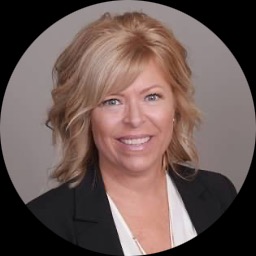
About Stacy
Stacy Rowlett is a Licensed Professional Counselor (LPC) in Missouri with 14 years of clinical experience. She guides people through stress, anxiety, relationship struggles, trauma and abuse, low self-esteem, and depression. Her style is straightforward and respectful, and she focuses on practical ways to manage day-to-day challenges.
Stacy has worked in a variety of care settings and with many kinds of life situations. That range informs how she tailors sessions to each person's needs.
Background and approach
She listens first, then helps clients try approaches that fit their goals and values. In sessions she encourages people to build skills and supports they can use outside the room. This often means short exercises between visits, practicing new ways to handle stress, and naming small steps toward change.
She emphasizes clear, manageable strategies rather than long lists of theory. Stacy uses several approaches, including acceptance and commitment therapy, cognitive behavioral therapy, dialectical behavior therapy, and client-centered work. Those methods shape conversations about thoughts, behavior, and what matters most to the client.
The focus is on what a person can do now to feel steadier and more capable. People who prefer a calm, collaborative therapist tend to do well with her. She helps parents and adults address specific concerns like illness, chronic pain, blended family issues, grief, caregiver stress, and codependency.
Sessions move at a practical pace aimed at real-life improvements.
Approaches and Online Options for Everyday Challenges
Acceptance and Commitment Therapy (ACT) helps people notice thoughts without being driven by them and focus on actions that match their values, which can reduce avoidance and build meaning. Cognitive Behavioral Therapy (CBT) looks at the link between thoughts, feelings, and actions and teaches concrete tools to change unhelpful patterns, useful for anxiety, depression, and stress. Dialectical Behavior Therapy (DBT) emphasizes emotion regulation, distress tolerance, and better interpersonal skills to manage intense feelings and relationship strain.Finding the right approach is part of the work. The therapist will talk with each person about their goals, try methods that fit, and adjust based on what helps. This is a collaborative process where the client’s preferences shape which approaches are emphasized.
Online sessions are offered by video calls, phone sessions, live chat, or text-based messaging to make therapy more flexible. Video calls let people see facial cues and use full conversation. Phone sessions work well when bandwidth is limited or a less visual check-in is preferred. Live chat and text messaging allow short check-ins, written reflection, or steady support between longer sessions. These options help people fit care into busy lives and keep continuity when schedules change.
Questions people ask
What kinds of problems does Stacy help with?
How would you describe her approach in sessions?
What is her professional background?
Where is she licensed and practicing?
Which languages are supported for sessions?
Can people outside the U.S. work with her?
What session formats are available online?
How are costs and scheduling handled?
What this therapist works with
Most often
- Stress, Anxiety
- Relationship issues
- Trauma and abuse
Also listed
- Abandonment
- Aging and geriatric issues
- Blended family issues
- Body image
- Cancer
- Caregiver issues and stress
- Chronic pain, illness, and disability
- Codependency
- Communication problems
- Control issues
- Coping with natural or human-caused disaster
- Dependent personality
- Depression
- Divorce and separation
- Domestic violence
- Emptiness
- Family of origin issues
- Family problems
- Forgiveness
- Guilt and shame
- Hospice and end-of-life counseling
- Impulsivity
- Infidelity
- Isolation / loneliness
- Jealousy
- Life purpose
- Midlife crisis
- Narcissism
- Obsessions, compulsions, and OCD
- Panic disorder and panic attacks
- Phobias
- Post-traumatic stress
- Postpartum depression
- Seasonal Affective Disorder (SAD)
- Self esteem
- Self-love
- Sexual assault and abuse
- Social anxiety and phobia
- Women's issues
- Workplace issues
- Young adult issues
Therapeutic approaches
- Experience
- 14 years
- Licensed
- Missouri
- Languages
- English
We will earn a commission if you sign up through our link, at no cost to you.