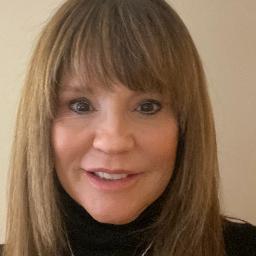
About Shirley
Shirley Butcher is a licensed professional clinical counselor (LPCC) based in Minnesota who helps people manage stress, anxiety, addictions, depression, and trauma. She also supports people facing LGBT-related concerns and a range of related struggles like shame, guilt, and body image. Her tone is practical and steady, aimed at people who need clear next steps.
Shirley draws on six years of clinical practice in behavioral health and substance counseling. She keeps conversations direct and focused.
Background and approach
Sessions look at what is getting in the way day to day and what can change in small, doable steps. Her work often centers on attachment patterns and how early relationships shape current reactions. She uses client-centered methods to follow each person’s priorities and build trust.
Cognitive behavioral techniques are used to identify unhelpful thinking and try different behaviors. For people with trauma histories she may use eye movement desensitization and reprocessing to address distressing memories, and dialectical behavior therapy skills for regulating intense emotions. Shirley combines these approaches to match each person’s needs rather than using one fixed method.
She helps people work through issues such as abandonment, codependency, family of origin problems, communication difficulties, control issues, and dissociation. The focus is on practical tools to reduce distress and improve everyday functioning. Shirley offers sessions in English and provides care through several online formats.
Her approach is collaborative and grounded in real-life problem solving.
Therapeutic approaches and online care
Shirley commonly uses attachment-based work to look at how early relationships affect current patterns. This approach helps people understand recurring fears, trust issues, and intense reactions in close relationships.She also draws on cognitive behavioral therapy, which focuses on spotting unhelpful thoughts and testing new behaviors. CBT is useful for anxiety, depression, and problems where changing thought and action patterns can reduce distress.
Choosing the right approach is a collaborative process. Shirley will talk with each person about goals, preferences, and what feels most helpful, and then adapt methods over time rather than sticking to one fixed plan.
Online sessions are offered by video call, phone, live chat, or text-based messaging to make therapy fit into busy lives. Video is close to an in-person session and works well for deeper conversations. Phone sessions use less bandwidth and can be easier to fit into a break. Live chat and text-based messaging let people check in between sessions or use brief, written check-ins when that format feels more manageable.
Questions people ask
What concerns does Shirley commonly address?
How would you describe her therapeutic style?
What background and experience does she bring?
What credentials and location are listed?
Which languages are available for sessions?
What session formats are offered?
How is cost handled for sessions?
What are the first steps to begin therapy?
What this therapist works with
Most often
Also listed
- Abandonment
- Attachment issues
- Body image
- Co-morbidity
- Codependency
- Communication problems
- Control issues
- Depression
- Dissociation
- Divorce and separation
- Domestic violence
- Emptiness
- Family of origin issues
- Family problems
- Forgiveness
- Guilt and shame
- Impulsivity
- Isolation / loneliness
- Life purpose
- Mood disorders
- Multicultural concerns
- Obsessions, compulsions, and OCD
- Panic disorder and panic attacks
- Personality disorders
- Phobias
- Post-traumatic stress
- Seasonal Affective Disorder (SAD)
- Self-harm
- Self-love
- Social anxiety and phobia
- Somatization
- Trauma and abuse
- Workplace issues
Therapeutic approaches
- Experience
- 6 years
- Licensed
- Minnesota
- Languages
- English
We will earn a commission if you sign up through our link, at no cost to you.