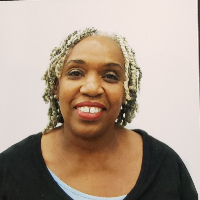
About Sharon
Sharon Sumler is a Licensed Master Social Worker who helps people facing anxiety, stress, addiction, and relationship strain. She speaks plainly and meets people where they are, helping them sort problems into steps they can handle. Sharon brings 20 years of practice to sessions and aims for steady progress rather than quick fixes.
Sharon uses conversational, client-centered work to hear what matters most to each person. She also draws on cognitive behavioral techniques to spot patterns of thinking that keep problems going.
Background and approach
Dialectical behavior strategies and mindfulness skills are added when people need tools to manage intense emotions or stay present in stressful moments. Her background includes long experience supporting people through grief, trauma, parenting challenges, career transitions, and coping with life changes. Sharon combines practical skill-building with straightforward emotional support.
Sessions often focus on small, doable steps toward clearer thinking and calmer reactions. She has worked with issues such as abandonment, attachment concerns, blended family strain, and co-occurring conditions. Sharon pays attention to how life circumstances and relationships shape daily coping, and she helps people make concrete shifts in routines and communication.
Sharon offers sessions in English and practices from Michigan. Her approach is collaborative: she listens, suggests strategies, and adjusts plans to match each person’s pace and goals. Many people find this mix of empathy and structure useful when facing phobias, anxiety, or big life transitions.
How Sharon’s Approaches Work Online
Sharon commonly uses client-centered work and cognitive behavioral therapy in online sessions. Client-centered work focuses on listening and following the person’s lead, helping them name what matters and set goals that fit their life. Cognitive behavioral therapy breaks problems into thoughts, feelings, and actions, and teaches simple exercises to change unhelpful thinking and behavior.She also brings elements of dialectical behavior therapy when emotion regulation and distress tolerance are needed. DBT-style skills teach practical steps for calming intense feelings, improving communication, and managing crises without making things worse. These approaches are used together so the plan is both practical and tailored to each person’s goals.
Finding the right approach is a team effort. Sharon will talk with the person about their goals and try different strategies to see what helps. She adjusts techniques based on progress and preferences so the work stays useful and realistic.
Online formats include video calls, phone sessions, live chat, and text-based messaging. Video works well for conversation and visual cues, phone can be easier when bandwidth is low, and messaging helps with short check-ins or coaching between sessions. These options make therapy more flexible for people balancing work, family, and other commitments.
Questions people ask
What concerns does Sharon address?
What is Sharon's style in session?
How much experience does she have?
What credentials and location are listed?
Which languages are offered and can international clients join?
What session formats are available?
How does payment and cost work?
How do I begin working with Sharon?
What this therapist works with
Most often
- Stress, Anxiety
- Addictions
- Relationship issues
Also listed
- Abandonment
- ADHD
- Adoption and foster care
- Aging and geriatric issues
- Anger management
- Antisocial personality
- Attachment issues
- Avoidant personality
- Bipolar disorder
- Blended family issues
- Career difficulties
- Caregiver issues and stress
- Co-morbidity
- Codependency
- Commitment issues
- Communication problems
- Compassion fatigue
- Control issues
- Coping with life changes
- Dependent personality
- Depression
- Disruptive Mood Dysregulation Disorder (DMDD)
- Family conflicts
- Grief
- Hoarding
- Intimacy-related issues
- Jealousy
- Multicultural concerns
- Obsessions, compulsions, and OCD
- Paranoia
- Parenting issues
- Personality disorders
- Phobias
- Prejudice and discrimination
- Process addiction (porn, exercise, gambling)
- Seasonal Affective Disorder (SAD)
- Self esteem
- Self-harm
- Sexual assault and abuse
- Trauma and abuse
- Veteran and Armed Forces Issues
Therapeutic approaches
- Experience
- 20 years
- Licensed
- Michigan
- Languages
- English
We will earn a commission if you sign up through our link, at no cost to you.