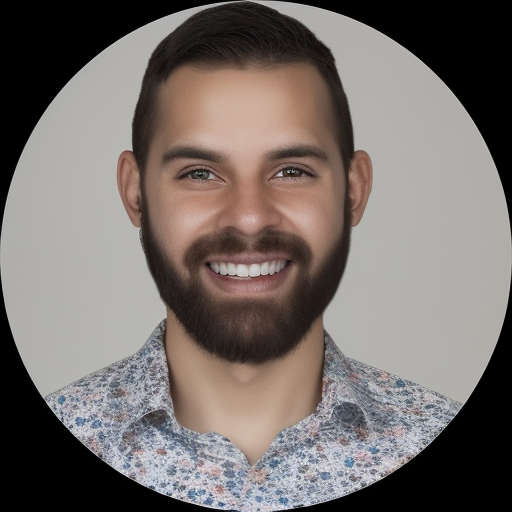
About Samuel
Samuel Myrick is a licensed clinical social worker (LCSW) with ten years of experience. He focuses on helping people who are dealing with addiction, trauma, bipolar mood patterns, compassion fatigue, and LGBTQ+ concerns. Samuel aims to create a calm, respectful space where people can talk through painful memories and current struggles.
He centers sessions on what each person needs in the moment. Samuel helps people understand patterns that keep showing up, like attachment issues or feelings of abandonment.
Background and approach
He also supports those working through body image worries, relationship communication problems, and recovery from drug or alcohol addiction. Samuel describes his style as client-centered and trauma-informed. He guides people through managing panic, mood shifts, and the emotional fallout from past hurts.
He draws on practical strategies to build coping skills and reduce shame so people can move toward clearer goals. He brings personal insight from long-term recovery into conversations about addiction and relapse prevention. Samuel also addresses co-occurring issues such as chronic pain, eating and food-related concerns, and commitment or control struggles.
His work is grounded in listening first, then offering steps that fit each person’s life. Sessions tend to balance talking and action. Samuel helps people name patterns, try small changes, and track progress.
The aim is steady, manageable growth that fits real daily responsibilities and stresses.
Approaches That Translate Well to Online Care
Samuel uses evidence-based therapeutic techniques that focus on practical skills and processing difficult experiences. One approach emphasizes building coping skills for panic and mood swings through step-by-step practice and real-world exercises; it helps people reduce distress and handle sudden emotional shifts. Another approach focuses on trauma-informed care, helping people safely process past harm and recognize repeating patterns like attachment wounds or abandonment fears so they can move toward healthier responses.Finding the right way to work together is a collaborative process. Samuel will discuss different methods and help pick an approach that matches a person's goals, needs, and comfort level. He checks in about what is or isn't working and adapts plans so progress feels manageable and relevant.
Online therapy offers practical flexibility. Video calls let people meet face-to-face when that is helpful, while phone sessions can be easier when bandwidth is limited or when someone prefers not to be on camera. Live chat and text-based messaging allow brief check-ins, ongoing support between scheduled sessions, or a way to process emotions without a full session. These options make it easier to fit therapy into busy or unpredictable lives.
Questions people ask
What kinds of problems does Samuel help with?
How would you describe his therapy style?
What is his professional background?
Where is Samuel licensed and based?
Which languages are sessions offered in?
What session formats are available?
How does pricing work for sessions?
How do I begin working with him?
What this therapist works with
Most often
Also listed
- Abandonment
- Attachment issues
- BDSM, kink, and alternative sex culture
- Bipolar disorder
- Body image
- Chronic pain, illness, and disability
- Co-morbidity
- Commitment issues
- Communication problems
- Compassion fatigue
- Control issues
- Divorce and separation
- Drug and alcohol addiction
- Eating and food-related issues
- Family of origin issues
- Forgiveness
- Guilt and shame
- HIV / AIDS
- Hoarding
- Impulsivity
- Isolation / loneliness
- Jealousy
- Mood disorders
- Obsessions, compulsions, and OCD
- Panic disorder and panic attacks
- Personality disorders
- Phobias
- Polyamory / non-monogamous relationships
- Post-traumatic stress
- Process addiction (porn, exercise, gambling)
- Self-harm
- Self-love
- Young adult issues
- Experience
- 10 years
- Licensed
- Florida
- Languages
- English
We will earn a commission if you sign up through our link, at no cost to you.