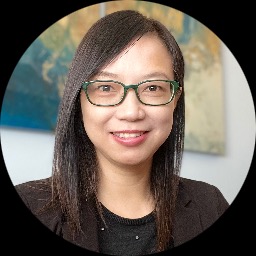
About Po
Po Yee Fung is a licensed therapist working in California. She brings ten years of experience helping people cope with anxiety, depression, stress, and relationship problems. She speaks English, Mandarin, and Cantonese which helps when cultural background matters.
She uses practical techniques to help people build self-compassion and stronger communication. Sessions aim to teach clear skills for managing difficult feelings and improving daily routines. The work often focuses on real-life changes rather than abstract theory.
Background and approach
Po Yee pays attention to each person? s life story and cultural background. She offers counseling that respects faith and cultural values when clients want that included.
This approach is often helpful for people from Asian American backgrounds, though she works with anyone who seeks this focus. Common concerns she addresses include trauma and abuse, relationship strain, low self-esteem, and feelings of emptiness or isolation. She also helps with attachment and abandonment worries, codependency, and family of origin issues.
Her methods are aimed at steady progress over time. In sessions she teaches coping skills from therapies that focus on thoughts, emotions, and meaningful action. She works collaboratively with each person to set goals and try approaches that fit their life.
The goal is better daily functioning and clearer direction, not quick fixes.
Using evidence-based approaches in online sessions
Acceptance and Commitment Therapy (ACT) helps people notice difficult thoughts and feelings without getting stuck in them, and then take steps that match their values. It can be useful for anxiety, stress, and finding purpose. Cognitive Behavioral Therapy (CBT) looks at how thoughts, feelings, and behaviors interact and teaches practical skills to change patterns that keep problems going. It often helps with depression, anxiety, and stress. Emotionally-Focused Therapy (EFT) focuses on emotions and attachment needs to improve how people connect and communicate in close relationships.Finding the right approach is often part of the first few sessions. The therapist will work together with each person to choose methods that match their goals, cultural background, and comfort level. That collaborative planning can include mixing ideas from different therapies to suit the client's needs.
Online formats include video calls, phone sessions, live chat, and text-based messaging. Video calls let people work face to face from their chosen location. Phone sessions can be easier when internet bandwidth is limited. Live chat and text messaging are useful for brief check-ins, practice between sessions, or when writing feels more comfortable than speaking. These options make scheduling more flexible and can help therapy fit into busy daily life.
Questions people ask
What kinds of problems does this therapist address?
What is the therapist's general approach in sessions?
How much experience does the therapist have?
What are the therapist's credentials and location?
Which languages are available for sessions?
Can international clients work with this therapist?
What session formats are offered?
How are costs handled and how do I begin?
What this therapist works with
Most often
- Stress, Anxiety
- Relationship issues
- Trauma and abuse
Also listed
- Abandonment
- Attachment issues
- Co-morbidity
- Codependency
- Commitment issues
- Communication problems
- Depression
- Domestic violence
- Emptiness
- Family of origin issues
- Forgiveness
- Guilt and shame
- Isolation / loneliness
- Life purpose
- Midlife crisis
- Multicultural concerns
- Obsessions, compulsions, and OCD
- Paranoia
- Phobias
- Self esteem
- Self-love
- Social anxiety and phobia
- Women's issues
- Workplace issues
Therapeutic approaches
- Experience
- 10 years
- Licensed
- California, New York
- Languages
- English, Mandarin, Cantonese
We will earn a commission if you sign up through our link, at no cost to you.