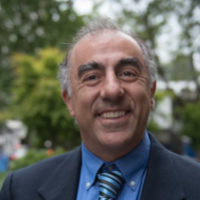
About Mohammad
Mohammad Bader is a licensed counselor who focuses on practical help for people feeling overwhelmed by stress, anxiety, grief, or relationship trouble. He has 25 years of experience and speaks both English and Arabic. Mohammad aims to make conversations clear and useful for day-to-day life.
He uses straightforward, collaborative methods to help people manage emotions and make choices that match their values. Sessions often cover habits, thinking patterns, communication skills, and ways to reduce avoidance.
Background and approach
He works with issues such as depression, addictions, sleep problems, anger, self-esteem, and phobias. Mohammad pays attention to cultural background and identity. He supports people facing prejudice, discrimination, and immigration challenges.
He also has focused work with first responders and those experiencing gender dysphoria or hearing impairment, using approaches that respect each person’s history. In a session he listens first, then helps set small, practical goals. The emphasis is on learning tools that can be used between meetings.
He blends therapies such as acceptance and commitment strategies, cognitive-behavioral techniques, and client-centered listening to fit each person’s situation. People seeking support for career stress, parenting strain, forgiveness work, or coping with life changes often find concrete steps to try. Mohammad describes therapy as a team effort, where the client’s priorities guide the work.
His style is calm, direct, and focused on getting things to feel more manageable.
How therapeutic approaches translate to online sessions
Acceptance and Commitment Therapy (ACT) focuses on helping people notice difficult thoughts and feelings without getting driven by them. It teaches values-based choices and small actions that move life in a chosen direction, which can help with anxiety, depression, and avoidance like phobias.Cognitive Behavioral Therapy (CBT) looks at the links between thoughts, feelings, and actions. It uses clear exercises and behavior experiments to change unhelpful patterns, which suits worries, sleep problems, and persistent fears.
Client-Centered Therapy emphasizes listening, empathy, and supporting a person’s own pace of change. It’s useful when someone needs a respectful space to sort out identity, grief, or the impact of discrimination.
Finding the right mix of approaches is part of the work. Mohammad will talk with each person about goals and try methods that fit their needs and preferences. This is a collaborative process and may shift as progress is made.
Online therapy offers flexible ways to meet. Video calls let people use visual cues and practice communication skills live. Phone sessions can work when bandwidth is limited or a shorter check-in is needed. Live chat and text-based messaging suit brief updates, coaching-style guidance, or when writing helps clarify thoughts. These options make it easier to fit therapy into a busy life while still working on real change.
Questions people ask
What concerns does Mohammad often address?
What is his general approach in therapy?
How long has he been practicing?
What credentials and location are listed?
Which languages are available for sessions?
Can international clients work with him?
What session formats does he use?
How does cost and starting therapy work?
What this therapist works with
Most often
- Stress, Anxiety
- Relationship issues
- Grief
Also listed
- Addictions
- ADHD
- Anger management
- Career difficulties
- Coaching
- Compassion fatigue
- Coping with life changes
- Depression
- Family conflicts
- First responder issues
- Forgiveness
- Gender dysphoria
- Hearing impaired
- Immigration issues
- Infidelity
- Jealousy
- LGBT
- Multicultural concerns
- Parenting issues
- Phobias
- Prejudice and discrimination
- Self esteem
- Sleeping disorders
- Trauma and abuse
Therapeutic approaches
- Experience
- 25 years
- Licensed
- Oregon, Washington
- Languages
- English, Arabic
We will earn a commission if you sign up through our link, at no cost to you.