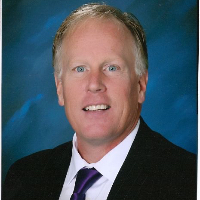
About Michael
Michael Rhine is a licensed mental health counselor in Washington with 27 years of experience. He helps people who feel overwhelmed by anxiety, stress, depression, addictions, or big life changes. He also addresses issues like parenting strain, workplace pressure, and phobias in straightforward, practical ways.
Michael keeps sessions warm and interactive. He listens without judgment and treats people with respect and compassion. He avoids stigmatizing labels and focuses on what will help each person move forward.
Background and approach
In practice he blends several approaches to fit each person's needs. Cognitive Behavioral Therapy (CBT) is used to spot and shift unhelpful thoughts and behaviors. Acceptance and Commitment Therapy (ACT) helps people notice their values and take meaningful steps.
Client-Centered work ensures the conversation stays focused on the person's priorities. He has a long history working with trauma, addictions, and adverse childhood experiences. That background informs how he responds to fear, avoidance, and relationship strain.
He aims to help people build coping skills they can use outside sessions. Sessions are practical and goal oriented while staying grounded in empathy. Michael emphasizes collaboration - clients and therapist set the pace and choose strategies together.
The goal is clearer choices, less avoidance, and better day-to-day functioning.
Therapeutic approaches that work online
Acceptance and Commitment Therapy, or ACT, focuses on helping people notice what matters to them and take small steps toward those values even when fear or discomfort shows up. It can help with anxiety, phobias, and motivation problems by teaching skills for willingness and committed action.Cognitive Behavioral Therapy, or CBT, looks at the links between thoughts, feelings, and actions and teaches concrete strategies to change patterns that keep problems going. It is often used for anxiety, depression, and phobia-related avoidance to build practical coping skills.
Finding the right approach is part of the work. The therapist will talk with each person about goals and preferences, then try methods that fit. That collaboration helps adjust techniques over time so the plan stays useful and realistic.
Online therapy offers real flexibility. Video calls recreate face-to-face conversation for deeper work, phone sessions can be easier when bandwidth is limited, live chat supports quick check-ins, and text-based messaging lets people reflect between sessions. These options make it simpler to fit sessions into a busy life or keep a steady routine when schedules change.
Questions people ask
What kinds of problems does Michael help with?
How would you describe his therapy style?
What is his clinical background?
What credentials and location are listed?
Which languages are supported for sessions?
What session formats are available?
How is cost handled for sessions?
How do I begin working with him?
What this therapist works with
Also listed
- ADHD
- Anger management
- Attachment issues
- Career difficulties
- Caregiver issues and stress
- Coaching
- Codependency
- Compassion fatigue
- Coping with life changes
- Depression
- Divorce and separation
- Drug and alcohol addiction
- Family conflicts
- Family of origin issues
- Family problems
- Fatherhood issues
- First responder issues
- Forgiveness
- Guilt and shame
- Life purpose
- Parenting issues
- Phobias
- Post-traumatic stress
- Relationship issues
- Self esteem
- Workplace issues
Therapeutic approaches
- Experience
- 27 years
- Licensed
- Washington
- Languages
- English
We will earn a commission if you sign up through our link, at no cost to you.