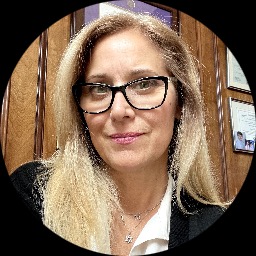
About Mary
Mary Marks is a licensed clinical social worker who speaks English and Spanish. She focuses on practical steps that help people manage anxiety, stress, grief, and other everyday struggles. Mary keeps sessions straightforward and calm so people can make steady progress.
Mary draws on Cognitive Behavioral Therapy, Acceptance and Commitment Therapy, and client-centered methods in session. She uses exercises to shift unhelpful thinking and small behavioral steps to reduce avoidance.
Background and approach
Mindfulness and awareness techniques are used to strengthen coping and reduce reactivity. She has 14 years of experience and has worked with adults facing a wide range of concerns, including depression, addictions, relationship stress, sleep problems, trauma, and identity questions. Mary also supports people dealing with loss, chronic illness, body image, and changes related to aging.
Sessions include practical teaching, motivational interviewing, and guided exposure work when anxiety is getting in the way of daily life. Mary pays attention to the therapeutic relationship and uses compassionate listening to help people feel heard and understood. People who want clear steps, skills to manage symptoms, and a collaborative pace tend to do well with her approach.
She practices in Florida and offers work in both English and Spanish for people seeking care from a licensed clinical social worker.
How therapy approaches translate to online care
Acceptance and Commitment Therapy (ACT) focuses on clarifying values and taking committed action even when uncomfortable feelings are present; it helps people who feel stuck by teaching steps to move toward what matters. Cognitive Behavioral Therapy (CBT) targets patterns of thinking and behavior that keep problems going and uses specific exercises to change those patterns, which is useful for anxiety, depression, and sleep issues. Client-Centered Therapy centers the persons experience and uses empathic listening to build trust and a clearer sense of direction in life.Finding the right approach is a collaborative process. The therapist will talk with the client about goals, try out strategies, and adapt methods based on what helps most. Decisions about techniques are made together so the work fits the persons needs and preferences.
Online sessions are offered by video calls, phone, live chat, or text-based messaging to fit different schedules and needs. Video is useful for deeper therapeutic work and exercises that need face-to-face interaction. Phone sessions can be a good option when bandwidth is limited or when someone prefers not to be on camera. Live chat and text sessions allow for brief check-ins and flexible communication during busy weeks. These options make it easier to keep therapy consistent while juggling work, caregiving, or travel.
Questions people ask
What kinds of concerns does Mary help with?
What is her general therapeutic style?
How much clinical experience does she have?
What credentials and location are listed for this therapist?
In which languages are sessions available?
What session formats does she offer online?
How are costs handled for sessions?
How do I begin working with this therapist?
What this therapist works with
Most often
- Stress, Anxiety
- Relationship issues
- Family conflicts
Also listed
- Addictions
- Aging and geriatric issues
- Anger management
- Attachment issues
- Autism and Asperger Syndrome
- Bipolar disorder
- Body image
- Career difficulties
- Chronic pain, illness, and disability
- Commitment issues
- Communication problems
- Coping with life changes
- Depression
- Disruptive Mood Dysregulation Disorder (DMDD)
- Dissociation
- Divorce and separation
- Drug and alcohol addiction
- Eating and food-related issues
- Eating disorders
- Fertility issues
- Forgiveness
- Gender dysphoria
- Grief
- Infidelity
- Intimacy-related issues
- Isolation / loneliness
- LGBT
- Midlife crisis
- Money and financial issues
- Narcissism
- Obsessions, compulsions, and OCD
- Panic disorder and panic attacks
- Parenting issues
- Personality disorders
- Phobias
- Post-traumatic stress
- Process addiction (porn, exercise, gambling)
- Seasonal Affective Disorder (SAD)
- Self esteem
- Self-harm
- Self-love
- Sex addiction
- Sleeping disorders
- Smoking / vaping cessation
- Social anxiety and phobia
- Trauma and abuse
- Trichotillomania
Therapeutic approaches
- Experience
- 14 years
- Licensed
- New York, Florida
- Languages
- English, Spanish
We will earn a commission if you sign up through our link, at no cost to you.