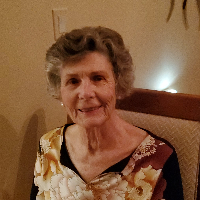
About Mary
Mary Anne Ruane is a licensed clinical social worker with 30 years of experience helping people face stress, anxiety, phobias, addictions, and depression. She works with adults who are coping with life changes, relationship and family issues, grief, and struggles with self-esteem or intimacy. Her approach is straightforward and practical, aimed at reducing worry and restoring daily functioning.
She describes therapy as a collaborative process. Sessions focus on clear goals and steps clients can try between meetings.
Background and approach
Techniques are selected to match each person's needs and preferences, with an emphasis on what helps in everyday life. Mary Anne has long experience supporting people with substance and process addictions, and she also helps those affected by a loved one’s addiction. She regularly addresses panic, social anxiety, obsessive thoughts, and eating-related concerns.
Her methods include Cognitive Behavioral Therapy, hypnotherapy, motivational interviewing, and solution-focused work. Those tools are used to reduce distress, change unhelpful thinking and behavior, and build coping skills. Hypnotherapy is offered when it fits the client's goals.
Mary Anne is licensed as an LCSW in New Jersey. She offers sessions in English and provides a variety of online formats to fit different schedules and needs. She aims to help people find practical ways forward and regain a sense of balance.
How practical approaches translate to online therapy
Mary Anne uses Cognitive Behavioral Therapy and hypnotherapy as core parts of her work. CBT focuses on identifying unhelpful thoughts and testing new behaviors to reduce anxiety, panic, phobias, and low mood. Hypnotherapy is offered to clients interested in guided relaxation and imagery to change habits or reduce anxiety symptoms.Choosing the right approach happens together. She will talk with clients about goals, what has helped before, and what feels comfortable. Then she suggests methods and adapts them as progress is made, so the plan fits each person.
Online formats include video calls, phone sessions, live chat, and text-based messaging. Video works well for deeper therapeutic work and visual cues. Phone sessions can be easier when bandwidth is limited or for shorter check-ins. Live chat and text messaging are useful for brief support, tracking progress, and staying connected between sessions. These options make scheduling more flexible and let people keep therapy going from varied daily routines.
Questions people ask
What concerns does Mary Anne address?
What is her therapeutic style?
How much clinical experience does she have?
What credentials and location are listed?
Which languages are used in sessions?
What session formats are available?
How does payment and cost work?
How do I begin working together?
What this therapist works with
Most often
Also listed
- Aging and geriatric issues
- Anger management
- Bipolar disorder
- Codependency
- Communication problems
- Coping with life changes
- Depression
- Drug and alcohol addiction
- Eating and food-related issues
- Eating disorders
- Family conflicts
- Grief
- Guilt and shame
- Intimacy-related issues
- Obsessions, compulsions, and OCD
- Panic disorder and panic attacks
- Parenting issues
- Phobias
- Process addiction (porn, exercise, gambling)
- Relationship issues
- Self esteem
- Social anxiety and phobia
- Trauma and abuse
- Workplace issues
Therapeutic approaches
- Experience
- 30 years
- Licensed
- New Jersey
- Languages
- English
We will earn a commission if you sign up through our link, at no cost to you.