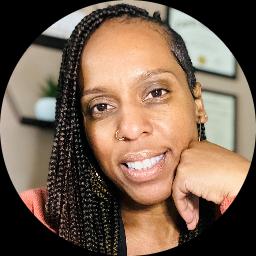
About LaQuanta
LaQuanta Hobbs, LCMHC, helps people facing anxiety, stress, phobias, depression, and addiction. She also supports concerns like trauma, relationship strain, parenting stress, and issues tied to identity and career. Her style is warm and grounded.
She aims to empower people with practical tools and steady support. Hobbs has five years as a licensed mental health clinical counselor and many additional years in mental health roles before licensure. That background includes work in community programs, inpatient settings, schools, crisis response, and independent practice.
Background and approach
Those roles shaped a practical way of helping people through urgent problems and longer-term struggles. Sessions focus on clear goals and everyday skills. She blends cognitive behavioral techniques to change unhelpful thinking with dialectical behavior strategies to manage emotions.
She also uses client-centered conversation, solution-focused planning, and motivational interviewing when those fit a person's needs. People can expect a collaborative approach that begins by identifying what matters most. Hobbs offers tools for managing panic, decreasing avoidance, improving communication, and reducing substance-related harm.
She prioritizes small, achievable steps and keeps explanations simple and concrete. The work is tailored to each person’s situation and pace. Practical homework, short skill practices, and check-ins help track progress.
LaQuanta invites thoughtful questions and adjusts plans as goals evolve.
Approaches that guide online sessions
LaQuanta often uses cognitive behavioral therapy to help people identify and change patterns of thinking that fuel anxiety, panic, or avoidance. CBT includes concrete exercises and small experiments to reduce symptoms and improve daily functioning. She also draws on dialectical behavior therapy techniques to teach emotion regulation, distress tolerance, and interpersonal effectiveness skills useful for intense feelings and relationship challenges.Finding the right approach is a collaborative process. The therapist will talk with each person about goals, try techniques that fit those goals, and adjust the plan together over time. That collaboration helps match methods to what feels most helpful and realistic in someone’s life.
Online options include video calls, phone sessions, live chat, and text-based messaging. Video calls allow face-to-face work and skill coaching. Phone sessions can fit a lunch break or reduce bandwidth needs. Live chat and messaging are useful for brief check-ins, homework support, and ongoing encouragement between meetings. These formats make it easier to keep therapy consistent around work, family, or relocation.
Questions people ask
What concerns does this therapist address?
How would you describe the therapy style here?
What is the clinician's background?
What credentials and location are listed?
Which languages and international options are available?
What session formats are offered?
How is cost handled?
How do I begin working with this therapist?
What this therapist works with
Also listed
- ADHD
- Anger management
- Bipolar disorder
- Career difficulties
- Coaching
- Communication problems
- Compassion fatigue
- Coping with life changes
- Depression
- Family conflicts
- First responder issues
- Gender dysphoria
- Grief
- Guilt and shame
- Infidelity
- Intimacy-related issues
- Jealousy
- LGBT
- Life purpose
- Multicultural concerns
- Panic disorder and panic attacks
- Parenting issues
- Phobias
- Postpartum depression
- Relationship issues
- Self esteem
- Self-love
- Veteran and Armed Forces Issues
Therapeutic approaches
- Experience
- 5 years
- Licensed
- North Carolina
- Languages
- English
We will earn a commission if you sign up through our link, at no cost to you.