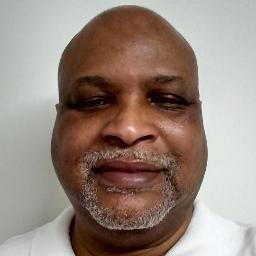
About James
James Campbell is a licensed clinical social worker (LICSW) with ten years of direct practice listed in his profile. He supports people facing phobias, anxiety, stress, depression, trauma, and related concerns. He speaks English and works from the District of Columbia.
James uses straightforward conversations to help people feel less stuck. Sessions focus on clear goals, practical steps, and small skills to try between meetings. He draws on methods like cognitive behavioral tools and trauma-focused techniques to address distressing thoughts and reactions.
Background and approach
He spent many years working in child and family services and in school mental health programs in District of Columbia public systems. Those roles included supervising teams and managing programs, which shaped his interest in helping people with grief, parenting stress, addiction, and workplace burnout. He also runs workshops on fatherhood and community engagement.
In sessions James aims to make plans concrete. He helps people break big problems into manageable actions. He uses motivational interviewing to strengthen what matters to each person and solution-focused ideas to build on what already works.
Clients can expect a practical, direct style. James combines skill-building, brief behavioral experiments, and talk therapy to reduce avoidance and improve daily functioning. He also addresses issues such as communication problems, obsessive behaviors, gender dysphoria concerns, and sexual trauma where relevant.
Approach-driven online care for fear and stress
James often works with cognitive behavioral techniques to help people identify unhelpful thoughts and test new behaviors. CBT can be useful for phobias, anxiety, obsessive thinking, and mood concerns by breaking problems into specific thoughts and actions. He also uses mindfulness therapy to teach simple attention and breathing practices that reduce arousal and improve focus, which can help with anxiety, stress, and emotional regulation.He draws on motivational interviewing to support people who feel stuck or ambivalent about change. That approach centers on the person’s own goals and values and helps build internal motivation for trying new strategies. James treats the choice of methods as collaborative and will work with each person to find the best fit for their goals and circumstances.
Online sessions are offered by video calls, phone sessions, live chat, or text-based messaging to provide flexibility. Video works well for full sessions and face-to-face conversation. Phone sessions can be easier when bandwidth is limited or you prefer not to be on camera. Live chat and text are helpful for shorter check-ins, skill coaching, or brief updates between visits. These formats make it easier to fit therapy into a busy schedule and to continue work between appointments.
Questions people ask
What kinds of problems does this therapist help with?
What is his therapeutic style like?
What experience does he bring?
What credential and region are listed for this therapist?
Which languages are available for sessions?
What formats are offered for therapy sessions?
How is cost handled for sessions?
How do I begin working with this therapist?
What this therapist works with
Most often
- Stress, Anxiety
- Family conflicts
- Trauma and abuse
Also listed
- Addictions
- ADHD
- Anger management
- Bipolar disorder
- Career difficulties
- Coaching
- Communication problems
- Compassion fatigue
- Coping with life changes
- Depression
- Gender dysphoria
- Grief
- HIV / AIDS
- Intimacy-related issues
- Jealousy
- LGBT
- Obsessions, compulsions, and OCD
- Personality disorders
- Phobias
- Prejudice and discrimination
- Self esteem
- Self-harm
- Self-love
- Sexual assault and abuse
Therapeutic approaches
- Experience
- 10 years
- Licensed
- District of Columbia
- Languages
- English
We will earn a commission if you sign up through our link, at no cost to you.