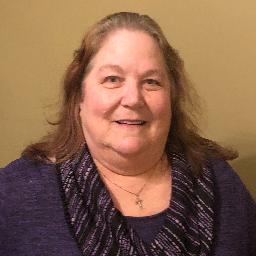
About Debra
Debra Pittman is a Licensed Certified Social Worker (LCSW) based in Arkansas who helps people facing anxiety, depression, trauma, and life transitions. She approaches each person with warmth and practical support. Debra focuses on making change manageable and understandable for worried parents and busy adults.
She listens first to learn what matters most to the person sitting across from her. From there she helps create a clear, step-by-step plan that fits that person's life and goals.
Background and approach
Plans are adapted as needs change rather than sticking to one fixed method. Debra uses straightforward techniques to reduce stress, improve sleep, and manage mood swings or panic. She also works with issues tied to grief, abandonment, parenting strain, and substance concerns.
Her approach is collaborative and paced to each individual's needs. With 17 years of experience, Debra combines a caring tone with practical tools. She aims to strengthen coping skills and build confidence so daily life feels more manageable.
Her sessions typically involve discussion, simple exercises, and agreed-upon steps to practice between meetings. People who want encouragement plus clear next steps often find her style helpful. Debra encourages gentle progress and stays focused on realistic goals.
If someone wants a steady guide while they make changes, she offers that steady presence.
Approaches and online options that fit your life
Debra commonly uses Client-Centered Therapy and Cognitive Behavioral Therapy to guide online work. Client-Centered Therapy focuses on listening closely and meeting people where they are, which helps build trust and clarify what a person wants to change. Cognitive Behavioral Therapy looks at how thoughts, feelings, and behaviors link together and teaches steps to break unhelpful patterns, useful for anxiety, panic, and mood struggles.Finding the right approach is part of the process. She will talk with each person about goals and preferences, then try methods that match those needs. This is a collaborative process and plans can be adjusted as people try techniques and report what helps most.
Online formats include video calls, phone sessions, live chat, and text-based messaging. Video is helpful for deeper conversation and visual connection. Phone sessions can fit a lunch break or require less bandwidth. Live chat and text messaging make brief check-ins or step-by-step skill practice easier to fit into a busy day. These options make it simpler to work on stress, sleep, anger, and trauma-related goals without traveling to an office.
Questions people ask
What concerns does this therapist help with?
What is her therapy style like?
How much experience does she have?
What credentials and location are listed?
Which languages are supported for sessions?
What session formats are available?
How are session costs handled?
How do I begin working with her?
What this therapist works with
Most often
- Trauma and abuse
- Anger management
- Self esteem
Also listed
- Abandonment
- ADHD
- Adoption and foster care
- Attachment issues
- Bipolar disorder
- Blended family issues
- Control issues
- Coping with life changes
- Coping with natural or human-caused disaster
- Depression
- Disruptive Mood Dysregulation Disorder (DMDD)
- Drug and alcohol addiction
- Family conflicts
- Family problems
- Forgiveness
- Grief
- Guilt and shame
- Impulsivity
- Mood disorders
- Obsessions, compulsions, and OCD
- Panic disorder and panic attacks
- Parenting issues
- Phobias
- Post-traumatic stress
- Seasonal Affective Disorder (SAD)
- Self-harm
- Sexual assault and abuse
- Sleeping disorders
- Social anxiety and phobia
- Stress, Anxiety
- Trichotillomania
- Young adult issues
Therapeutic approaches
- Experience
- 17 years
- Licensed
- Arkansas
- Languages
- English
We will earn a commission if you sign up through our link, at no cost to you.