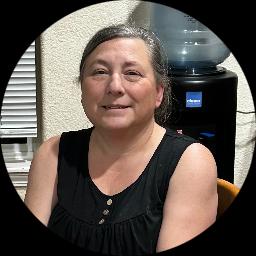
About Crystal
Crystal Gerlock is a licensed clinical social worker with 30 years of practice. She focuses on helping people facing stress, anxiety, trauma and abuse, grief, low self-esteem, and depression. She aims to create a calm, respectful space where a person can talk and be heard.
She uses straightforward, evidence-based methods to help people learn new ways of coping. Sessions often center on practical skills for managing strong feelings and reducing overwhelm.
Background and approach
Crystal encourages small, doable steps so progress feels manageable. Her background includes long experience in grief and loss work. That experience informs how she supports people through major life changes and endings.
She pays attention to how past relationships and attachment patterns affect present struggles. Crystal adapts her approach to each person’s needs. Therapy may include skill-building, emotional processing, and planning for daily life.
She helps people strengthen resilience and rebuild routines after hard events. She practices from Colorado and offers sessions through phone, video, live chat, or text messaging. Crystal communicates plainly and aims to make therapy fit a person’s schedule and pace.
The first steps are a short matching questionnaire and scheduling a session.
Approaches That Translate Well Online
Crystal commonly uses Cognitive Behavioral Therapy, which focuses on identifying unhelpful thought and behavior patterns and practicing new responses. CBT is helpful for anxiety, depression, and stress by teaching concrete skills to change how situations are approached.She also draws on Dialectical Behavior Therapy elements that teach emotion regulation, distress tolerance, and interpersonal effectiveness. Those techniques are useful when emotions feel overwhelming or relationships trigger continued pain.
Finding the right approach is a collaborative process. The therapist will talk with the client about goals and preferences and then try methods that fit those needs. Together they will adjust techniques as progress and challenges emerge.
Online sessions are offered via video calls, phone, live chat, or text-based messaging to provide flexibility. Video calls let people work face-to-face when bandwidth allows. Phone sessions can be a good option when video is difficult or a simpler check-in is needed. Live chat or text messaging can support brief check-ins, homework prompts, or ongoing encouragement between longer sessions. These formats make it easier to fit therapy into busy schedules and maintain steady contact over time.
Questions people ask
What kinds of problems does she help with?
What is her therapy style like?
How long has she practiced?
What credentials and location are listed?
Are sessions offered in other languages or internationally?
Which session formats are available?
How does payment and cost work?
What are the first steps to begin?
What this therapist works with
Most often
Also listed
- Abandonment
- Adoption and foster care
- Attachment issues
- Cancer
- Caregiver issues and stress
- Chronic pain, illness, and disability
- Codependency
- Coping with natural or human-caused disaster
- Depression
- Domestic violence
- Emptiness
- Family of origin issues
- Family problems
- Guilt and shame
- Hospice and end-of-life counseling
- Isolation / loneliness
- Life purpose
- Midlife crisis
- Obsessions, compulsions, and OCD
- Personality disorders
- Phobias
- Self esteem
- Self-harm
- Self-love
- Sexual assault and abuse
- Social anxiety and phobia
- Women's issues
- Workplace issues
- Young adult issues
- Experience
- 30 years
- Licensed
- Colorado
- Languages
- English
We will earn a commission if you sign up through our link, at no cost to you.