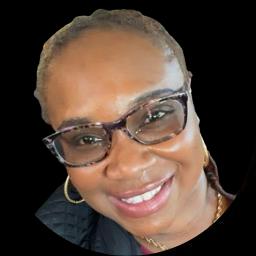
About Wyconda
Wyconda Gray is a licensed clinical social worker who helps people facing stress, anxiety, trauma, grief, anger, and depression. She writes in a direct, respectful way and focuses on practical steps people can use right away. Gray adapts conversations and plans to fit each person’s needs.
She emphasizes sensitivity and compassion while helping people build coping skills and manage strong emotions. Sessions aim to be straightforward and goal-oriented so progress feels tangible.
Background and approach
With nine years of experience practicing in North Carolina, Gray draws on evidence-based therapeutic techniques to address trauma and mood concerns. She listens for patterns that cause recurring problems, such as attachment or communication issues, and then works with clients to try new strategies.
She also supports people dealing with relationship strain, family of origin concerns, grief after loss, and stress tied to caregiving or major life changes. Practical tools for anger management, handling abandonment fears, and coping during or after separation are common topics. Gray uses an individualized approach rather than a one-size-fits-all plan.
She helps people set small, achievable goals and checks progress regularly. The style is collaborative and paced to each person’s comfort level.
Evidence-based approaches and online care
Wyconda Gray uses evidence-based therapeutic techniques to help people manage intense emotions and fears. One approach focuses on skills training for emotion regulation and coping; it teaches concrete strategies to reduce anxiety, handle anger, and respond to distressing memories. Another common approach targets trauma processing and stabilization, helping people develop safety skills and gradually address painful experiences at a pace that feels manageable.Choosing the right approach happens together. The therapist will talk with each person about goals, symptoms, and day-to-day needs, then suggest methods that match those priorities. Adjustments are made over time so the plan fits changing needs and comfort levels.
Online sessions are offered as video calls, phone sessions, live chat, or text-based messaging to make care flexible. Video calls allow face-to-face conversation and visual cues, phone sessions work well when bandwidth is limited, live chat suits shorter check-ins, and messaging supports ongoing connection between sessions. These options make it easier to fit therapy into busy schedules and to keep work moving forward without long waits.
Questions people ask
What kinds of concerns does this therapist address?
What is the therapy style like?
How much clinical experience does she have?
Where is she licensed and based?
Which languages are available for sessions?
What session formats are offered?
How are fees handled?
How do I begin working with this therapist?
What this therapist works with
Most often
Also listed
- Abandonment
- Anger management
- Antisocial personality
- Attachment issues
- Blended family issues
- Caregiver issues and stress
- Co-morbidity
- Commitment issues
- Communication problems
- Control issues
- Coping with natural or human-caused disaster
- Depression
- Disruptive Mood Dysregulation Disorder (DMDD)
- Divorce and separation
- Emptiness
- Family of origin issues
- Family problems
- Forgiveness
- Guilt and shame
- Hospice and end-of-life counseling
- Impulsivity
- Isolation / loneliness
- Life purpose
- Mood disorders
- Narcissism
- Panic disorder and panic attacks
- Paranoia
- Phobias
- Post-traumatic stress
- Prejudice and discrimination
- Self-harm
- Self-love
- Sexual assault and abuse
- Social anxiety and phobia
- Women's issues
- Workplace issues
- Young adult issues
- Experience
- 9 years
- Licensed
- North Carolina
- Languages
- English
We will earn a commission if you sign up through our link, at no cost to you.