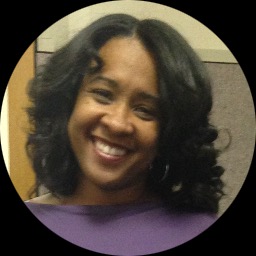
About Toni
Toni Brinson White is a Licensed Clinical Social Worker (LCSW) practicing in California with 18 years of experience. She centers sessions on the person in front of her and treats each client as the expert on their own life. She helps people manage stress and anxiety and works with concerns around addictions, low self-esteem, depression, and major life changes.
Toni also addresses issues tied to abandonment, codependency, and family of origin patterns.
Background and approach
She guides people through divorce and separation, struggles with forgiveness, and feelings of isolation or shame. Her style is practical and respectful. Sessions focus on small, doable steps that build on strengths.
She listens closely, reflects what she hears, and helps clients test new ways of thinking and behaving. Toni draws on approaches such as Client-Centered Therapy and Cognitive Behavioral Therapy to shape conversations and goals. She also uses Motivational Interviewing and Solution-Focused Therapy to highlight motivation and quick, targeted change.
Together these methods help people move past stuck points and try different solutions. Many clients come wanting clearer communication, healthier boundaries, or relief from addiction-related patterns. Toni offers a steady, compassionate presence while helping people set realistic goals and track progress over time.
Approach-driven care delivered online
Client-Centered Therapy focuses on listening and understanding the client’s perspective. It helps people feel heard and builds motivation to try new behaviors by following the client’s lead. Cognitive Behavioral Therapy, or CBT, looks at how thoughts influence feelings and actions and teaches concrete skills to change unhelpful patterns. These approaches are useful for anxiety, depression, low self-esteem, and problems tied to addiction and life transitions.Choosing the best approach is a collaborative process. The therapist will talk with the client about goals, preferences, and what has or hasn’t worked in the past. Together they will test strategies and adjust the plan as needed so the work fits the person’s life and pace.
Online sessions are offered by video call, phone, live chat, or text-based messaging to increase flexibility. Video calls allow face-to-face conversation when visual cues matter. Phone sessions use less bandwidth and can be easier when a shorter check-in is needed. Live chat and text messaging let people share thoughts between sessions or when typing feels simpler than speaking. These options make it easier to fit therapy into work, caregiving, or busy schedules.
Questions people ask
What concerns does she commonly address?
What is her therapeutic style like?
How much clinical experience does she have?
What are her credentials and where is she based?
Which languages are sessions offered in?
Can people outside the U.S. work with her?
What session formats are available?
How are costs and getting started handled?
What this therapist works with
Most often
Also listed
- Abandonment
- Blended family issues
- Co-morbidity
- Codependency
- Communication problems
- Coping with life changes
- Dependent personality
- Depression
- Divorce and separation
- Drug and alcohol addiction
- Family of origin issues
- Family problems
- Fatherhood issues
- Forgiveness
- Guilt and shame
- Infidelity
- Isolation / loneliness
- Jealousy
- Life purpose
- Money and financial issues
- Mood disorders
- Phobias
- Postpartum depression
- Pregnancy and childbirth
- Prejudice and discrimination
- Seasonal Affective Disorder (SAD)
- Self-love
- Social anxiety and phobia
- Veteran and Armed Forces Issues
- Women's issues
- Workplace issues
- Young adult issues
Therapeutic approaches
- Experience
- 18 years
- Licensed
- California
- Languages
- English
We will earn a commission if you sign up through our link, at no cost to you.