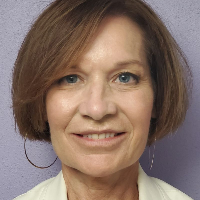
About Toni
Dr. Toni Morgan-Jones is a licensed psychologist in Wisconsin with 23 years of experience. She focuses on helping people manage anxiety, stress, depression, grief, trauma, and relationship or intimacy concerns.
Her style is straightforward and practical, aimed at people who need clear steps and steady support. She uses a mix of approaches that match each person's needs. That can include client-centered work to understand what matters most to someone and cognitive behavioral techniques to change unhelpful thoughts and behaviors.
Background and approach
She also draws on dialectical behavior strategies and mindfulness when emotional regulation and distress tolerance are priorities. Her background includes work in personal outpatient clinics, county mental health services, and integrated community programs. She has experience in both larger cities and smaller rural communities across Wisconsin, and she has supported people facing persistent mental illness and complex life challenges.
In sessions she helps people talk through painful events and how those events shaped their view of themselves and others. The focus is on small, practical changes that add up to better coping skills and steadier day-to-day functioning. She also helps people navigate family conflict, caregiving stress, and the emotional effects of serious illness.
People who choose her often want respectful, no-nonsense guidance and a plan they can try between meetings. Dr. Morgan-Jones encourages collaboration and sets goals together so progress is clear and measurable.
To begin, she works with each person to match methods to their current needs and goals.
How therapeutic approaches translate to online care
Client-centered therapy focuses on listening carefully and following what matters most to the person, helping them feel understood and guiding the work based on their priorities. Cognitive behavioral therapy (CBT) offers structured tools to identify and change unhelpful thoughts and behaviors, which is useful for anxiety, depression, and stress. Dialectical behavior therapy (DBT) teaches concrete skills for emotion regulation, distress tolerance, and improving relationships, which helps when mood swings or intense emotions get in the way of daily life.Choosing the right approach is part of the work together. The therapist will review concerns, goals, and preferences, then suggest methods to try. That plan can change over time based on what helps most, and decisions are made collaboratively so the approach fits the person rather than the other way around.
Online formats include video calls, phone sessions, live chat, or text-based messaging to make therapy more flexible. Video helps keep a face-to-face feel, phone calls can be easier when bandwidth is limited, live chat and text messaging allow shorter check-ins or support between sessions. These options make it simpler to fit care into work, caregiving, or other routines while keeping the focus on practical skills and steady progress.
Questions people ask
What concerns does she commonly address?
How would you describe her therapeutic approach and style?
What kind of experience does she bring?
What credentials and location are listed?
Which languages are supported and can she see international clients?
What session formats are available?
How are costs and billing handled?
How do I begin working with her?
What this therapist works with
Most often
- Stress, Anxiety
- Family conflicts
- Trauma and abuse
Also listed
- Abandonment
- Aging and geriatric issues
- Anger management
- Attachment issues
- Avoidant personality
- Bipolar disorder
- Blended family issues
- Cancer
- Career difficulties
- Caregiver issues and stress
- Codependency
- Communication problems
- Compassion fatigue
- Control issues
- Coping with life changes
- Dependent personality
- Depression
- Disruptive Mood Dysregulation Disorder (DMDD)
- Divorce and separation
- Domestic violence
- Emptiness
- Family of origin issues
- Family problems
- Fatherhood issues
- Forgiveness
- Grief
- Guilt and shame
- Hospice and end-of-life counseling
- Impulsivity
- Intimacy-related issues
- Isolation / loneliness
- Jealousy
- Money and financial issues
- Mood disorders
- Obsessions, compulsions, and OCD
- Panic disorder and panic attacks
- Paranoia
- Personality disorders
- Phobias
- Post-traumatic stress
- Postpartum depression
- Relationship issues
- Self esteem
- Self-love
- Sexual assault and abuse
- Social anxiety and phobia
- Women's issues
- Workplace issues
- Young adult issues
Therapeutic approaches
- Experience
- 23 years
- Licensed
- Wisconsin
- Languages
- English
We will earn a commission if you sign up through our link, at no cost to you.