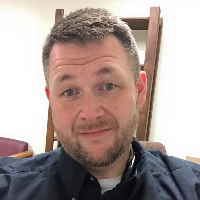
About Timothy
Timothy Rowell is a licensed clinical social worker who helps people facing anxiety, depression, stress, and phobias. He speaks plainly and aims to create a space where people can speak honestly and feel heard. He brings 13 years of experience to conversations about addiction, trauma, relationship strain, grief, and parenting concerns.
Timothy focuses on building a respectful, nonjudgmental connection. He believes change takes effort and that honesty between client and therapist is essential for progress.
Background and approach
Sessions are meant to be collaborative, with the client’s goals guiding each step. His approach mixes practical methods from cognitive-behavioral therapy, dialectical behavior therapy, and client-centered work. That means sessions often include skill building, problem-solving, and time to reflect on feelings and values.
He adapts how he talks and plans work to the needs of the person in front of him. People can expect straightforward conversation about what is causing distress and what small steps might help. Timothy helps with coping skills for intense emotions, strategies for managing anxiety or phobias, and ways to rebuild routine after major life changes.
He also addresses relationship issues like jealousy or infidelity when they affect daily life. Timothy holds a Florida LCSW and draws on more than a decade of clinical experience. He aims to support practical change while honoring individual values and pace.
How therapeutic approaches translate to online care
Acceptance and Commitment Therapy (ACT) helps people notice what matters to them and take small steps toward those values. In online sessions this often looks like short exercises and homework to try between sessions. Cognitive Behavioral Therapy (CBT) focuses on changing unhelpful thinking and behavior patterns through practical skills and experiments. Over video or phone, CBT work includes planning manageable tasks, tracking thoughts, and reviewing what worked.Finding the right approach is part of the process and not fixed at the start. The therapist will talk with each person about their goals, preferences, and what feels useful. Together they decide whether ACT, CBT, or a mix of approaches will be most helpful and adjust the plan as progress unfolds.
Online therapy offers flexibility in how people connect. Video calls allow face-to-face conversation; phone sessions work when bandwidth is limited or a camera is not wanted. Live chat and text messaging suit quick check-ins, brief coaching, or follow-up between longer sessions. These options make it easier to fit therapy into work, school, or caregiving schedules while keeping the focus on measurable steps and practical skill building.
Questions people ask
What kinds of concerns does Timothy help with?
What is his general therapy style?
How much clinical experience does he have?
What are his credentials and where is he based?
Which languages are supported for sessions?
Are international clients accepted?
What session formats are available?
How are fees and billing handled?
What this therapist works with
Most often
Also listed
- Anger management
- Bipolar disorder
- Career difficulties
- Coaching
- Compassion fatigue
- Coping with life changes
- Depression
- Family conflicts
- Grief
- Infidelity
- Jealousy
- Parenting issues
- Personality disorders
- Phobias
- Relationship issues
- Trauma and abuse
- Veteran and Armed Forces Issues
Therapeutic approaches
- Experience
- 13 years
- Licensed
- Florida
- Languages
- English
We will earn a commission if you sign up through our link, at no cost to you.