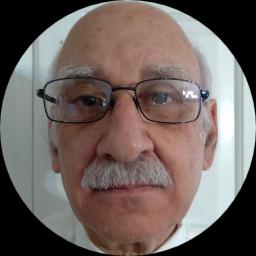
About Thomas
Dr. Thomas Tashjian helps people facing stress, anxiety, depression, ADHD, addictions, trauma, grief, sleep problems, anger, and phobias. He uses practical strategies to reduce symptoms and improve daily functioning.
He is a psychologist with an MA and more than three decades of experience in clinical work. MA Psychologist 3022 has worked with a wide range of concerns and brings a direct, steady approach. He favors clear, structured methods that teach skills people can use between sessions.
Background and approach
He often focuses on the way people talk to themselves and how overthinking can keep problems going. He combines talk-based work with exercises and real-life practice that match a person’s routines and limits. Because of his background in pharmacology and development, he pays attention to how medical issues and medication can affect mood and behavior.
He helps separate biological effects from psychological ones and looks for practical steps to reduce unwanted side effects. He also brings experiential methods to his work. Outdoor activity, exercise, and movement have been part of his programs and the stories he uses in sessions.
He encourages people to use meaningful daily activities to support change. Dr. Tashjian’s style is collaborative and focused on skills.
He explains techniques simply, sets doable goals, and checks progress each visit. This keeps work useful and tied to everyday life.
Online approaches that teach skills and reduce symptoms
Dr. Tashjian commonly uses Cognitive Behavioral Therapy and Mindfulness Therapy in online work. Cognitive Behavioral Therapy focuses on identifying unhelpful thoughts and changing behaviors that keep problems going, which helps with anxiety, panic, obsessions, and phobias. Mindfulness Therapy teaches simple attention and breathing practices to reduce rumination and increase calm, which supports sleep, stress, and mood regulation.Choosing the right approach is a collaborative process. The therapist will discuss symptoms, goals, and daily routines and then suggest methods to try. Progress is reviewed together and methods are adjusted based on what works for the individual.
Online formats include video calls, phone sessions, live chat, and text-based messaging. Video sessions allow face-to-face discussion and exercises that resemble in-person work. Phone sessions can be used when bandwidth is limited or when a shorter check-in is needed. Chat and messaging are useful for brief coaching, homework feedback, or ongoing support between live sessions. These options offer flexibility for scheduling and for fitting therapy into busy lives.
Questions people ask
What concerns does this therapist address?
What is the therapeutic style like?
What experience does the therapist have?
What credentials and location are listed?
Which languages and international options are available?
What session formats are offered?
How does cost and subscriptions work?
How do I begin working with this therapist?
What this therapist works with
Most often
- Stress, Anxiety
- Anger management
- Bipolar disorder
Also listed
- Addictions
- ADHD
- Aging and geriatric issues
- Antisocial personality
- Autism and Asperger Syndrome
- Chronic pain, illness, and disability
- Co-morbidity
- Coaching
- Communication problems
- Control issues
- Coping with life changes
- Depression
- Dissociation
- Drug and alcohol addiction
- Grief
- Hoarding
- Obsessions, compulsions, and OCD
- Panic disorder and panic attacks
- Paranoia
- Parenting issues
- Personality disorders
- Phobias
- Post-traumatic stress
- Self esteem
- Self-harm
- Sexual assault and abuse
- Sleeping disorders
- Social anxiety and phobia
- Somatization
- Trauma and abuse
- Traumatic brain injury
Therapeutic approaches
- Experience
- 33 years
- Licensed
- Massachusetts
- Languages
- English
We will earn a commission if you sign up through our link, at no cost to you.