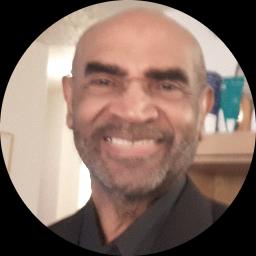
About Stalburn
Stalburn VanSluytman is a licensed clinical social worker with forty years of experience. He draws on both psychodynamic and cognitive behavioral ideas to help people manage anxiety, phobias, addiction, and mood concerns. His style is calm and straightforward, aimed at practical steps people can try between sessions.
He began studying social behavior as an undergraduate at Howard University in the late 1960s. Early volunteer work at community agencies led him to case management and substance abuse counseling in New York City.
Background and approach
That path continued with a clinical social work degree from Adelphi University and a move to Florida in the 1990s. Over his career he worked in agencies, ran an independent practice, and finished his last decade as a mental health therapist for the Florida Department of Corrections before retiring in 2014.
He has also provided training and supervision for masters-level therapists in cognitive behavioral methods. In recent years he has been involved in quality-control work for a community mental health center and volunteered with Big Brothers Big Sisters, a hospice center, and the American Cancer Society. Those volunteer activities have been paused due to the COVID pandemic.
In sessions he combines insight about personal history with tools that help change unhelpful thinking and behavior. He aims to help people reduce panic and anxiety, cope with grief or addiction, and improve everyday functioning. Stalburn works in English and is based in Florida.
Practical approaches for online therapy
Stalburn combines cognitive behavioral techniques with mindfulness-based ideas to help people change how they think and respond to stress. Cognitive Behavioral Therapy focuses on identifying unhelpful thoughts and testing them with small behavioral experiments to reduce anxiety and panic. Mindfulness Therapy teaches simple attention and breathing practices to reduce reactivity and improve focus during stressful moments.Choosing the right approach is collaborative. The therapist will discuss goals, symptoms, and personal preferences and try methods that fit the person's needs. If one approach does not feel right, they will adjust the plan together to find what works better for the individual.
Online formats include video calls, phone sessions, live chat, and text-based messaging, which offer flexibility for different schedules and comforts. Video calls allow face-to-face work when visual cues matter. Phone sessions can work when bandwidth is limited or for shorter check-ins. Live chat and text messaging are useful for brief updates, homework check-ins, or when someone prefers writing over speaking. These options help people access therapy around work, caregiving, or travel constraints.
Questions people ask
What concerns does he commonly address?
What is his general therapeutic style?
What is his background and experience?
What credentials and location are listed?
Which languages are supported and can international clients join?
In what formats are sessions offered?
How does payment or cost work?
How do I begin working with him?
What this therapist works with
Most often
- Stress, Anxiety
- Addictions
- Anger management
Also listed
- ADHD
- Aging and geriatric issues
- Bipolar disorder
- Cancer
- Caregiver issues and stress
- Codependency
- Coping with life changes
- Depression
- Divorce and separation
- Drug and alcohol addiction
- Eating and food-related issues
- Eating disorders
- Family conflicts
- Fatherhood issues
- Grief
- Guilt and shame
- Isolation / loneliness
- LGBT
- Men's issues
- Midlife crisis
- Mood disorders
- Multicultural concerns
- Panic disorder and panic attacks
- Parenting issues
- Phobias
- Post-traumatic stress
- Prejudice and discrimination
- Relationship issues
- Self esteem
- Social anxiety and phobia
- Trauma and abuse
Therapeutic approaches
- Experience
- 40 years
- Licensed
- Florida
- Languages
- English
We will earn a commission if you sign up through our link, at no cost to you.