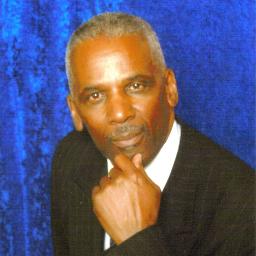
About Roosevelt
Roosevelt Jordan is a Licensed Clinical Social Worker (LCSW) with twenty years of experience helping people facing stress, anxiety, addictions, grief, trauma, phobias, and other difficult life issues. He listens first and works to build trust so people feel comfortable talking about what matters. Roosevelt keeps language direct and practical to make therapy useful from the start.
He uses client-centered methods that focus on each person's goals and values. He also draws on cognitive behavioral therapy to help people notice unhelpful thoughts and try new behaviors.
Background and approach
Mindfulness practices are offered to reduce reactivity and bring attention back to the present moment. Roosevelt brings a life-informed perspective to clinical work and pays attention to spiritual and personal meaning when clients want that included. He prefers short, clear steps in early sessions so progress is visible.
Sessions often include exercises people can use between meetings. People come to him for a range of concerns including relationship strain, parenting stress, eating and intimacy issues, bipolar mood management, and coping with life changes. He also supports those working through obsessions, compulsions, process addictions, sexual assault recovery, and end-of-life or HIV-related concerns.
Based in California, Roosevelt offers therapy in English and works with international clients when appropriate. He provides sessions via video calls, phone, live chat, or text messaging and can help people choose the format that fits their life.
How Roosevelt’s approaches work online
Roosevelt commonly uses client-centered work and cognitive behavioral therapy in sessions. Client-centered therapy emphasizes listening and helping people set their own goals, which helps when clients need space to name what matters. Cognitive behavioral therapy focuses on identifying unhelpful thoughts and testing new behaviors, which can help with anxiety, phobias, and mood concerns.Choosing the right approach is a collaborative process. Roosevelt discusses goals and preferences in early meetings and adjusts methods as needed. He helps clients try small changes and checks in to see what is helpful, so therapy evolves with the person's needs.
Online sessions are offered as video calls, phone sessions, live chat, or text-based messaging to increase flexibility. Video allows face-to-face conversation and shared exercises, phone works well when bandwidth is limited, live chat can be a quick check-in, and text messaging supports brief updates or ongoing reflection between meetings. These options let people fit therapy into work, caregiving, or travel schedules while keeping the focus on steady progress.
Questions people ask
What kinds of problems does Roosevelt address?
How would you describe his therapy style?
What is his professional background?
Where is he based and licensed?
Which languages are supported for sessions?
What session formats are available?
How does cost and payment work?
How do I begin therapy with him?
What this therapist works with
Most often
- Stress, Anxiety
- Addictions
- Relationship issues
Also listed
- Anger management
- Bipolar disorder
- Career difficulties
- Coping with life changes
- Depression
- Eating disorders
- Family conflicts
- Grief
- HIV / AIDS
- Hospice and end-of-life counseling
- Intimacy-related issues
- Obsessions, compulsions, and OCD
- Parenting issues
- Personality disorders
- Phobias
- Process addiction (porn, exercise, gambling)
- Self esteem
- Self-harm
- Sexual assault and abuse
- Trauma and abuse
Therapeutic approaches
- Experience
- 20 years
- Licensed
- California
- Languages
- English
We will earn a commission if you sign up through our link, at no cost to you.