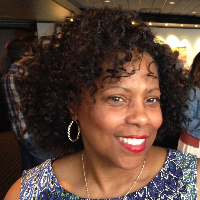
About Patricia
Patricia Gordon is a Licensed Independent Clinical Social Worker (LICSW) practicing in Washington. She helps people facing stress, anxiety, depression, grief, relationship strain, and phobias. Patricia offers straightforward, practical support so clients can move forward one step at a time.
She uses clear, goal-focused conversations to help people spot unhelpful thinking patterns. Then she guides them to try new behaviors and coping skills that fit their life. Sessions are calm and down-to-earth, with attention to each person’s values and goals.
Background and approach
Patricia blends several approaches including cognitive behavioral techniques, attachment-based ideas, and client-centered care. That mix lets her tailor work to problems like compulsive thoughts, midlife questions, or relationship tension. She also draws on mindfulness and emotion-focused ways to reduce strong emotions and build better connection.
With 15 years in social services and a Master of Social Work from the University of Washington, Patricia has worked in community settings and independent practice. She has experience coordinating with psychiatrists, primary care, and social service agencies when that is helpful to a client. Her approach is respectful and nonjudgmental.
Patricia emphasizes collaboration - you set the direction and she helps you practice steps toward it. She supports people who are ready to try different strategies and create more meaningful, manageable days.
Therapeutic approaches and what online work looks like
Attachment-based work focuses on how early relationship patterns affect current bonds and trust; it helps people improve emotional connection and handle relationship worries. Cognitive Behavioral Therapy (CBT) looks at how thoughts influence feelings and actions and teaches practical experiments to reduce anxiety, phobias, and compulsive thinking. Emotionally-Focused Therapy (EFT) helps people identify core emotions and use that awareness to change patterns that cause pain in close relationships.Finding the right approach is part of the process. The therapist will talk with each person about goals, preferences, and what feels most useful. Together they try approaches and adjust the plan so it fits the client’s life and values in a collaborative way.
Online therapy offers flexibility in how work happens. Video calls allow face-to-face conversation and exercises that benefit from seeing expressions. Phone sessions can be easier when bandwidth is limited or when someone prefers not to be on camera. Live chat and text-based messaging make brief check-ins and skill practice possible between sessions or when scheduling a longer contact is difficult. These options make it easier to use therapy during busy weeks, work breaks, or when travel would otherwise prevent regular sessions.
Questions people ask
What concerns does Patricia commonly address?
What is her therapy style like?
How much clinical experience does she have?
What credentials and location are listed?
Which languages are available for sessions?
What session formats are offered?
How does payment and cost work?
How do I begin working with her?
What this therapist works with
Most often
- Stress, Anxiety
- Relationship issues
- Family conflicts
Also listed
- Addictions
- Aging and geriatric issues
- Blended family issues
- Career difficulties
- Coaching
- Commitment issues
- Compassion fatigue
- Coping with life changes
- Depression
- Emptiness
- Family problems
- Grief
- Intimacy-related issues
- Jealousy
- LGBT
- Life purpose
- Midlife crisis
- Obsessions, compulsions, and OCD
- Parenting issues
- Personality disorders
- Phobias
- Polyamory / non-monogamous relationships
- Seasonal Affective Disorder (SAD)
- Self esteem
Therapeutic approaches
- Experience
- 15 years
- Licensed
- Washington
- Languages
- English
We will earn a commission if you sign up through our link, at no cost to you.