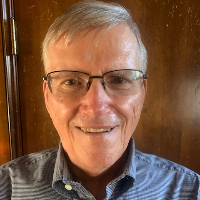
About Myron
Myron Dianiska is a licensed counselor with five decades of experience helping people manage stress, anxiety, depression, and phobias. He uses straightforward methods to help clients build coping skills and feel less overwhelmed. Sessions focus on practical steps and real-world changes.
He offers a calm, steady presence and listens for what matters most to each person. Conversations move at the client’s pace and are aimed at clear, doable goals. He draws on techniques that are aimed at changing unhelpful thoughts and habits while also attending to deeper values and meaning.
Background and approach
Myron blends Cognitive Behavioral Therapy with Acceptance and Commitment Therapy to tackle symptoms and clarify what matters to a person. Mindfulness practices are introduced in short, usable exercises. He also uses client-centered principles to make sessions respectful and focused on the person’s priorities.
Across many years in Texas, New Jersey, and New Mexico he has worked with people facing addiction, panic, trauma, grief, and workplace strain. He also helps with parenting concerns, fatherhood issues, and men’s issues where those arise. He aims to help people find clear next steps and regain daily functioning.
Sessions are paced to match where someone is in their life. Myron emphasizes small, repeatable changes that add up over time. He supports clients as they try new coping skills, track progress, and adjust plans when needed.
How his approaches translate to online therapy
Acceptance and Commitment Therapy helps people notice painful thoughts without getting ruled by them and then act toward what they value. That approach can help with anxiety, phobias, and life direction by focusing on small committed actions. Cognitive Behavioral Therapy looks at the link between thoughts, feelings, and behavior and teaches specific skills to reduce symptoms like panic, compulsions, or low mood. Short, practical CBT exercises work well in remote sessions and between-session practice.Finding the right approach is part of the work together. The therapist will review goals, preferences, and what has or hasn’t helped before, and then try methods collaboratively. Adjustments are made over time so the plan fits the person’s life and priorities.
Online formats include video calls, phone sessions, live chat, and text-based messaging. Video is useful for deeper conversation and skill practice, phone can be easier when bandwidth is low, brief check-ins fit well via text, and live chat offers a shorter focused option. These choices make it easier to fit therapy into work, caregiving, or travel schedules while still practicing the techniques discussed in sessions.
Questions people ask
What concerns does this therapist help with?
What is his therapeutic style like?
How much experience does he have?
What are his credentials and where is he based?
Which languages are used in sessions?
What session formats are available?
How are fees and payment handled?
How do I begin working with him?
What this therapist works with
Most often
- Stress, Anxiety
- Self esteem
- Career difficulties
Also listed
- Addictions
- ADHD
- Anger management
- Bipolar disorder
- Coaching
- Compassion fatigue
- Coping with life changes
- Depression
- Drug and alcohol addiction
- Family conflicts
- Fatherhood issues
- Grief
- Intimacy-related issues
- Life purpose
- Men's issues
- Mood disorders
- Obsessions, compulsions, and OCD
- Panic disorder and panic attacks
- Parenting issues
- Phobias
- Post-traumatic stress
- Process addiction (porn, exercise, gambling)
- Relationship issues
- Seasonal Affective Disorder (SAD)
- Sleeping disorders
- Smoking / vaping cessation
- Social anxiety and phobia
- Trauma and abuse
- Workplace issues
- Young adult issues
Therapeutic approaches
- Experience
- 50 years
- Licensed
- Texas, New Jersey, New Mexico
- Languages
- English
We will earn a commission if you sign up through our link, at no cost to you.