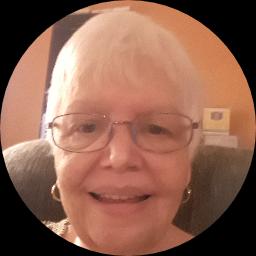
About Michelle
Dr. Michelle Blake is a licensed clinical social worker based in Tennessee who helps people facing grief, depression, anxiety, stress, relationship strain, and intimacy-related concerns. She also supports those dealing with career shifts, compassion fatigue, and LGBT and gender-related issues.
Her approach is calm and straightforward, aimed at making the first step feel manageable. She emphasizes a respectful, nonjudgmental space where people can say what they are feeling and thinking.
Background and approach
Sessions are conversational rather than formal. The aim is to make sense of hard moments and find practical next steps that fit daily life. Dr.
Blake draws on client-centered work to focus on each person’s experience. That means the person’s goals shape the work rather than a fixed plan imposed from the outside. She also uses psychodynamic ideas to look at patterns that repeat over time, which can help with long-standing relationship and self-esteem struggles.
With 15 years of clinical experience and licensure as an LCSW in Tennessee and Indiana, she brings steady experience to common life transitions like midlife change, grief, or caregiving stress. She also addresses issues such as avoidant personality patterns, codependency, and end-of-life concerns. People who choose her usually want a thoughtful listener who also offers clear options for coping.
Dr. Blake aims to balance understanding with practical steps so people can move forward from painful or stuck places.
How her approaches translate to online therapy
Client-centered therapy focuses on the person in front of the therapist, listening closely and letting the person’s goals guide the work. It helps when someone needs a compassionate listener and practical problem-solving for issues like depression, anxiety, or relationship strain.Psychodynamic therapy pays attention to patterns that repeat over time and to feelings that come up in relationships. This can help people understand how past experiences shape current reactions, which is useful for long-standing self-esteem or intimacy issues.
Finding the right approach is a collaborative process. She will talk with each person about what matters most, try different ways of working when needed, and adjust methods based on goals and life circumstances rather than sticking to one fixed plan.
Online formats make it easier to fit sessions into busy lives. Video calls allow visual connection for deeper conversation, phone sessions can be simpler when bandwidth is limited, live chat suits quick check-ins, and text-based messaging supports ongoing reflection between meetings. These options provide flexibility so people can keep therapy consistent around work, caregiving, or life changes.
Questions people ask
What concerns does she help with?
How would you describe her therapeutic style?
What is her clinical background?
Where is she based and what are her credentials?
Which languages are supported for sessions?
What session formats are available online?
How are therapy costs handled?
How do I begin working with her?
What this therapist works with
Most often
Also listed
- Aging and geriatric issues
- Avoidant personality
- Career difficulties
- Caregiver issues and stress
- Codependency
- Compassion fatigue
- Control issues
- Coping with natural or human-caused disaster
- Family of origin issues
- Fertility issues
- Gender dysphoria
- Guilt and shame
- Hospice and end-of-life counseling
- Intimacy-related issues
- LGBT
- Life purpose
- Midlife crisis
- Mood disorders
- Multicultural concerns
- Obsessions, compulsions, and OCD
- Phobias
- Pregnancy and childbirth
- Prejudice and discrimination
- Relationship issues
- Seasonal Affective Disorder (SAD)
- Self esteem
- Self-love
- Sexual assault and abuse
- Social anxiety and phobia
- Stress, Anxiety
- Trauma and abuse
- Women's issues
- Workplace issues
- Young adult issues
Therapeutic approaches
- Experience
- 15 years
- Licensed
- Tennessee, Indiana
- Languages
- English
We will earn a commission if you sign up through our link, at no cost to you.