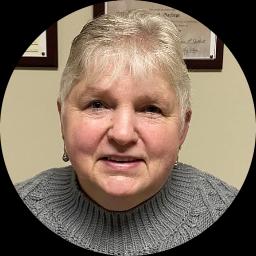
About Linda
Linda Gardepe is a Licensed Clinical Social Worker who focuses on practical, person-centered care. She uses a calm, accepting approach to help people talk about stress, anxiety, relationships, trauma, and self-esteem. Linda has 11 years of experience and works with adults on a range of concerns including depression, career questions, and LGBT issues.
Her sessions are built around listening first and then using evidence-based tools the person can try between visits.
Background and approach
Linda blends Client-Centered Therapy with approaches such as Cognitive Behavioral Therapy and EMDR when appropriate. She explains techniques in plain language and helps people practice them in daily life. Linda has worked in Pennsylvania and holds licenses in both Pennsylvania and Massachusetts - LCSW in PA and LICSW in MA.
Over 11 years she has supported people coping with panic attacks, phobias, obsessive thoughts, and the aftermath of trauma and abuse. She also helps with blended family concerns and chronic illness challenges. Her style is steady and nonjudgmental.
Sessions aim to clarify goals, build small skills, and reduce overwhelm. Linda encourages questions and adjusts the pace to match what each person needs. For someone taking the first step, she focuses on making the process simple.
New clients complete a brief questionnaire, then schedule sessions that fit their life and commitments.
Approaches that translate to online care
Client-Centered Therapy focuses on listening and building a respectful, nonjudgmental relationship. Online sessions let the therapist and client take time to hear concerns and set shared goals in a conversational way.Cognitive Behavioral Therapy, or CBT, breaks problems into thoughts, feelings, and actions and tests small changes to see what helps. This approach works well over video or phone because it uses clear exercises, homework, and brief skill practice between sessions.
Eye Movement Desensitization and Reprocessing, known as EMDR, is used to process trauma and distressing memories through structured steps. Portions of EMDR work can be adapted to remote sessions while the clinician and client follow a clear plan together.
Choosing the right approach is a collaborative process. The therapist will talk with the client about goals, try methods that fit their situation, and adjust based on what feels useful. Clients help decide which techniques to keep and which to change as therapy progresses.
Online therapy offers flexibility through video calls, phone sessions, live chat, and text-based messaging. Video is useful for face-to-face conversation and interactive exercises. Phone sessions can be a good option when bandwidth is limited. Live chat and text are helpful for shorter check-ins, progress updates, and quick skill reminders. These options make it easier to fit therapy around work, caregiving, or health needs while keeping the focus on steady progress.
Questions people ask
What kinds of concerns does she address?
What is her therapeutic style like?
How much experience does she have?
Where is she licensed and based?
Which languages are supported?
What session formats are offered?
How is cost handled?
How do I begin working with her?
What this therapist works with
Most often
- Stress, Anxiety
- Relationship issues
- Trauma and abuse
Also listed
- Blended family issues
- Career difficulties
- Chronic pain, illness, and disability
- Communication problems
- Depression
- Domestic violence
- Eating and food-related issues
- Emptiness
- Family problems
- Forgiveness
- Guilt and shame
- LGBT
- Life purpose
- Obsessions, compulsions, and OCD
- Panic disorder and panic attacks
- Phobias
- Post-traumatic stress
- Postpartum depression
- Self esteem
- Self-love
- Sexual assault and abuse
- Sexuality
- Social anxiety and phobia
- Women's issues
- Workplace issues
Therapeutic approaches
- Experience
- 11 years
- Licensed
- Pennsylvania, Massachusetts
- Languages
- English
We will earn a commission if you sign up through our link, at no cost to you.