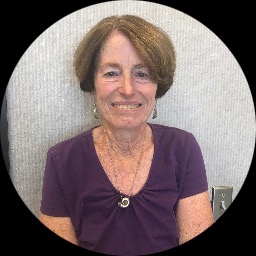
About Katharine
Dr. Katharine Clarke uses evidence-based therapeutic techniques to help people facing stress, anxiety, addictions, relationship strain, family conflict, and grief. She is a California psychologist with 38 years of professional experience and brings a steady, practical approach to sessions.
She views each person as the expert on their own story and focuses on building on existing strengths. In sessions she helps people identify patterns that cause distress and then tries out new ways of responding.
Background and approach
Conversations are direct and plain, with an emphasis on what can change now. Her background includes long experience working with addiction and relationship concerns. She also supports people dealing with caregiving stress, attachment struggles, chronic illness or pain, and problems that come from family of origin.
She pays attention to how grief and isolation affect daily life. Therapy often begins with a clear look at current problems and goals. From there she and the person map practical steps and small experiments to try between sessions.
Progress is measured by what changes in everyday life, such as calmer reactions, fewer urges, or clearer communication. Dr. Clarke offers sessions in English and practices from California.
She uses a straightforward, collaborative style meant to help people feel understood and make workable changes. Starting therapy is a step toward relief, and she aims to make that step manageable.
Approach-focused online care for practical change
Dr. Clarke uses evidence-based therapeutic techniques that aim to change unhelpful patterns and improve daily functioning. One approach focuses on identifying triggers and testing small behavior changes to reduce anxiety and cravings; this helps with stress, addictions, and impulsivity. Another approach concentrates on communication and relationship patterns, helping people practice different ways of asserting needs and repairing misunderstandings in close relationships.Finding the right approach is part of the work together. She collaborates with each person to choose techniques that match their goals, situation, and preferences, and adjusts methods over time based on what works. Clients help set goals and track practical changes between sessions.
Online sessions are offered by video calls, phone sessions, live chat, or text-based messaging to fit different schedules and lifestyles. Video calls allow face-to-face conversation, phone sessions use less bandwidth and can be easier during a short break, live chat can be a good option for brief check-ins, and text-based messaging supports ongoing contact and quick reflections. These options make therapy more flexible and easier to fit into busy lives while keeping the focus on real-world results.
Questions people ask
What kinds of problems does she address?
What is her therapy style?
How much experience does she have?
What are her credentials and where is she based?
Which languages are supported?
Can people outside the U.S. work with her?
What session formats does she offer?
How does payment and getting started work?
What this therapist works with
Most often
- Stress, Anxiety
- Addictions
- Relationship issues
Also listed
- Attachment issues
- Caregiver issues and stress
- Chronic pain, illness, and disability
- Co-morbidity
- Codependency
- Communication problems
- Control issues
- Divorce and separation
- Domestic violence
- Drug and alcohol addiction
- Family conflicts
- Family of origin issues
- Family problems
- Forgiveness
- Grief
- Impulsivity
- Isolation / loneliness
- Life purpose
- Midlife crisis
- Mood disorders
- Obsessions, compulsions, and OCD
- Panic disorder and panic attacks
- Phobias
- Post-traumatic stress
- Postpartum depression
- Seasonal Affective Disorder (SAD)
- Self-harm
- Self-love
- Somatization
- Trichotillomania
- Women's issues
- Experience
- 38 years
- Licensed
- California
- Languages
- English
We will earn a commission if you sign up through our link, at no cost to you.