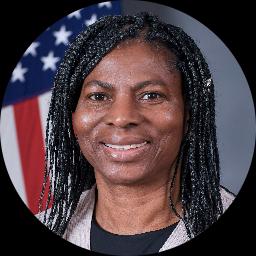
About Hope
Hope Stephens is a licensed marriage and family therapist in Oklahoma who helps people facing anxiety, stress, depression, and phobias. She aims to make beginning therapy as straightforward and calm as possible for someone worried about taking that first step. Hope creates a warm, nonjudgmental space where people can speak honestly about what’s on their mind.
She draws on methods that focus on how relationships and early bonds shape current feelings and patterns.
Background and approach
That perspective helps when fear, panic, or attachment worries get in the way of daily life. She also uses client-centered techniques that put the person’s priorities and pace first. Cognitive Behavioral Therapy is part of her toolkit for addressing unhelpful thinking and behaviors tied to anxiety, panic, and phobias.
In sessions she helps people notice patterns, try small changes, and build skills they can use between meetings. Hope has 12 years of professional experience as an Oklahoma LMFT. Her background includes working with trauma, anger, addiction concerns, and grief, along with life transitions like divorce or career shifts.
She is familiar with caregiver stress, communication problems, and issues related to isolation or loss of purpose. Sessions are offered in English and delivered through video calls, phone, live chat, or text-based messaging. She supports people who want practical coping tools and steady guidance while they work toward clearer goals and calmer days.
How Hope’s Approaches Work Online
Hope blends attachment-based ideas with client-centered care to create a relational foundation for change. Attachment-based work looks at how early relationships influence fear, avoidance, and closeness today, and it helps when anxiety or phobias are tied to relationship worries. Client-centered therapy means sessions follow the person’s concerns and timing, giving space to be heard and to set goals together.Cognitive Behavioral Therapy, used alongside those approaches, focuses on identifying unhelpful thoughts and testing small behavior changes. That can reduce panic, ease phobic reactions, and build practical skills you can use between appointments.
Finding the right approach is part of the process. The therapist works collaboratively to choose methods that match each person’s needs, goals, and comfort level, and adjusts the plan as progress is made.
Online formats include video calls, phone sessions, live chat, and text-based messaging. Video works well for conversational work and skill practice, phone sessions can be simpler when bandwidth is limited, live chat and text let people check in between meetings or fit short sessions into a busy day. These options make scheduling easier and let people continue care from home, work breaks, or while traveling.
Questions people ask
What kinds of concerns can be addressed?
What is her general therapy style?
How much clinical experience does she have?
Where is she licensed and practicing?
What languages are sessions offered in?
Which session formats are available?
How does payment and cost work?
What are the first steps to begin?
What this therapist works with
Most often
- Stress, Anxiety
- Family conflicts
- Trauma and abuse
Also listed
- Abandonment
- Addictions
- ADHD
- Anger management
- Bipolar disorder
- Career difficulties
- Caregiver issues and stress
- Communication problems
- Control issues
- Coping with life changes
- Depression
- Divorce and separation
- Forgiveness
- Grief
- Guilt and shame
- Impulsivity
- Intimacy-related issues
- Isolation / loneliness
- Life purpose
- Mood disorders
- Panic disorder and panic attacks
- Parenting issues
- Phobias
- Post-traumatic stress
- Relationship issues
- Self esteem
- Sleeping disorders
- Social anxiety and phobia
- Veteran and Armed Forces Issues
- Workplace issues
Therapeutic approaches
- Experience
- 12 years
- Licensed
- Oklahoma
- Languages
- English
We will earn a commission if you sign up through our link, at no cost to you.