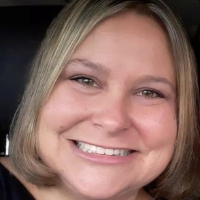
About Heather
Heather Shaver is a Licensed Clinical Social Worker (LCSW) with 20 years of experience helping people facing stress, anxiety, trauma, grief, depression, and phobias. She guides people who are overwhelmed by life changes, relationship struggles, addiction, or burnout. Her style is direct and compassionate, with a focus on practical steps people can use day to day.
She begins by listening to where someone is right now and building trust. Sessions are collaborative and paced to each person’s needs.
Background and approach
Heather uses clear tools and gentle feedback so people can try new ways of coping between meetings. Her background includes work as a victim advocate for domestic violence and sexual assault survivors, clinical roles in hospice and home health care, and time supporting adults in residential substance abuse treatment.
She has served in leadership as a director of mental health services for chronically ill adults, which informs her understanding of complex care needs. Heather blends practical therapy methods such as cognitive behavioral techniques, mindfulness, motivational interviewing, and trauma-focused approaches. She focuses on small, achievable changes that add up over time.
People who want straightforward guidance on coping skills and clearer decision-making will find her approach useful. Sessions can address codependency, communication problems, commitment concerns, eating and sleep issues, forgiveness, and end-of-life topics. Heather works in Florida and conducts work in English.
How Heather’s Approaches Work Online
Heather often uses cognitive behavioral therapy to help people notice patterns of thinking and try small behavior changes. CBT can be useful for anxiety, phobias, and low mood because it focuses on clear steps and real-life practice. She also uses mindfulness therapy to help people build present-moment awareness and calm when stress or trauma memories feel overwhelming.The choice of approach is a shared decision. Heather starts by asking about your goals, what has or hasn’t worked before, and how you prefer to work. Together you’ll try approaches and adjust them so the work fits your life and needs rather than forcing one method.
Online formats make it easier to fit therapy into a busy schedule. Video calls allow face-to-face interaction for skills practice and tracking progress. Phone sessions can be a good shorter option when video isn’t needed or bandwidth is limited. Live chat and text-based messaging work well for quick check-ins, goal reminders, or ongoing coaching between sessions. These options help people keep momentum and apply strategies in daily life.
Questions people ask
What concerns does Heather help with?
What is her general therapy style?
How long has she worked in mental health?
What credentials and location are listed?
Which languages are available for sessions?
What session formats does she provide?
How are fees handled?
How do I begin working with her?
What this therapist works with
Most often
Also listed
- Addictions
- Career difficulties
- Coaching
- Codependency
- Commitment issues
- Communication problems
- Compassion fatigue
- Coping with life changes
- Depression
- Divorce and separation
- Domestic violence
- Eating and food-related issues
- Eating disorders
- Emptiness
- Family conflicts
- Forgiveness
- Hospice and end-of-life counseling
- Impulsivity
- Phobias
- Relationship issues
- Self esteem
- Sexual assault and abuse
- Sleeping disorders
- Women's issues
Therapeutic approaches
- Experience
- 20 years
- Licensed
- Florida
- Languages
- English
We will earn a commission if you sign up through our link, at no cost to you.