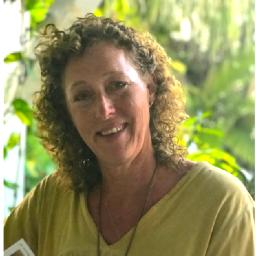
About Emma
Emma Firth is a counsellor who focuses on helping people manage stress, anxiety and the effects of trauma and abuse. She works with adults who are feeling overwhelmed by low mood, relationship strain, or self-esteem issues. Her approach is practical and respectful, aimed at making small, manageable changes that fit everyday life.
Emma has six years of professional experience in counselling. Before moving fully into counselling she worked as a speech and language therapist for the NHS.
Background and approach
She also continues part time with a charity that supports survivors of abuse, and this work shapes her understanding of trauma and recovery. Sessions with Emma are tailored to each person. She listens for the immediate problem and then helps people try straightforward strategies.
Common topics include sleep and eating issues, coping with loss, intimacy-related concerns, and navigating life changes like separation or caregiving stress. Her wider focus includes difficulties such as chronic illness, attachment and abandonment worries, codependency, dissociation, and problems with communication and commitment. Emma describes herself as calm and compassionate, and she aims to build practical plans that people can follow between sessions.
People who choose Emma can expect a collaborative style. She helps set realistic goals, checks in on progress, and adjusts approaches as needs change. The emphasis is on real-world improvements rather than jargon or one-size-fits-all solutions.
How therapeutic approaches are used in online care
Emma uses evidence-based therapeutic techniques that focus on practical change. One common approach is trauma-informed work that helps people understand how past harm affects current feelings and behaviour, and then develop safe ways to manage triggers and flashbacks. Another approach centres on skills for anxiety and stress - learning short exercises to reduce panic, improve sleep, and tackle unhelpful thinking patterns.Finding the best approach is part of the work together. The therapist will listen to your goals and preferences, explain different options, and try methods that suit your needs. Changes are checked regularly so the plan can be adjusted if something is not helping.
Online sessions make it easier to fit therapy into busy lives. Video calls let you meet face to face when helpful, phone sessions require less bandwidth and can be good for brief check-ins, and live chat or text messaging offer a way to reflect between meetings. These formats support flexibility and make it simpler to maintain continuity of care across work, parenting, or travel commitments.
Questions people ask
What concerns does Emma commonly help with?
How would you describe Emma's therapy style?
What is Emma's professional background?
What credentials does Emma hold and where is she based?
Which languages are supported in sessions?
What session formats are available?
How are costs and billing handled?
How do I begin working with Emma?
What this therapist works with
Also listed
- Abandonment
- Aging and geriatric issues
- Attachment issues
- Bipolar disorder
- Body image
- Caregiver issues and stress
- Chronic pain, illness, and disability
- Codependency
- Commitment issues
- Communication problems
- Compassion fatigue
- Control issues
- Coping with life changes
- Coping with natural or human-caused disaster
- Dependent personality
- Depression
- Dissociation
- Divorce and separation
- Eating and food-related issues
- Eating disorders
- Family of origin issues
- Forgiveness
- Grief
- Guilt and shame
- Intimacy-related issues
- Isolation / loneliness
- Life purpose
- Midlife crisis
- Mood disorders
- Panic disorder and panic attacks
- Parenting issues
- Phobias
- Post-traumatic stress
- Relationship issues
- Self-love
- Sexual assault and abuse
- Sleeping disorders
- Smoking / vaping cessation
- Somatization
- Women's issues
- Young adult issues
- Experience
- 6 years
- Licensed
- Languages
- English
We will earn a commission if you sign up through our link, at no cost to you.