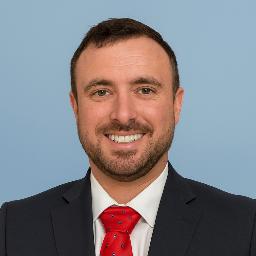
About Dwight
Dwight Kidder is a licensed clinical social worker (LCSW) practicing in North Carolina with seven years of experience. He helps people who are struggling with relationship strain, trauma and abuse, grief, anger, and depression. He aims to make the first step toward change feel manageable and supported.
In sessions he focuses on clear, practical conversation. He creates a calm space for people to say what they’re feeling and thinking without judgement.
Background and approach
That steady, ordinary listening becomes the basis for small, sustainable steps forward. Dwight draws on evidence-based therapeutic techniques to address upsetting memories, communication breakdowns, and strong emotions. He works with people to identify patterns that keep problems active and then tries different, concrete strategies to change those patterns.
Progress is paced to each person’s comfort. Common topics he addresses include abandonment concerns, attachment difficulties, codependency, and coping after loss or disaster. He also supports people dealing with substance use, anger management, and issues connected to alternative sexual cultures such as BDSM and kink.
Sessions are practical and focused on everyday functioning. People can expect straightforward language and a collaborative tone. Dwight emphasizes empowerment and problem solving rather than labels.
He helps clients set clear goals and checks in about what’s working as therapy continues.
Evidence-based approaches and flexible online care
Dwight uses evidence-based therapeutic techniques to address distressing memories and difficult emotions. One common approach focuses on processing traumatic experiences by helping people safely revisit upsetting memories and learn new ways to respond. This can reduce the emotional charge around those memories and make day-to-day life easier.Another approach emphasizes practical skill-building for mood and behavior. It teaches concrete tools for managing anger, improving communication, and coping with grief or depression. These hands-on strategies are aimed at small changes that add up over time.
Finding the right mix of approaches is part of the work. He collaborates with each person to identify goals and chooses methods that fit their needs and preferences. This process is flexible and revisited regularly to make sure the plan stays relevant.
Online therapy offers several practical benefits. Video calls allow face-to-face conversation when that matters. Phone sessions can work when bandwidth is limited or a shorter check-in is needed. Live chat and text-based messaging are useful for brief updates, ongoing support between sessions, or when typing feels easier than speaking. These options make it simpler to fit therapy into a busy life while still working with a licensed professional.
Questions people ask
What concerns does this therapist address?
What is the therapy style like?
How much clinical experience does he have?
Where is the therapist licensed and based?
Which languages are supported for sessions?
What session formats are available?
How are costs handled for sessions?
How do I begin working with this therapist?
What this therapist works with
Most often
- Relationship issues
- Trauma and abuse
- Grief
Also listed
- Abandonment
- Aging and geriatric issues
- Anger management
- Attachment issues
- Avoidant personality
- BDSM, kink, and alternative sex culture
- Co-morbidity
- Codependency
- Commitment issues
- Communication problems
- Control issues
- Coping with natural or human-caused disaster
- Dependent personality
- Depression
- Domestic violence
- Drug and alcohol addiction
- Emptiness
- Forgiveness
- Guilt and shame
- Hoarding
- Impulsivity
- Infidelity
- Intellectual disability
- Isolation / loneliness
- Jealousy
- Life purpose
- Men's issues
- Mood disorders
- Panic disorder and panic attacks
- Paranoia
- Personality disorders
- Phobias
- Polyamory / non-monogamous relationships
- Post-traumatic stress
- Process addiction (porn, exercise, gambling)
- Seasonal Affective Disorder (SAD)
- Self-harm
- Self-love
- Sex addiction
- Smoking / vaping cessation
- Social anxiety and phobia
- Traumatic brain injury
- Experience
- 7 years
- Licensed
- North Carolina
- Languages
- English
We will earn a commission if you sign up through our link, at no cost to you.