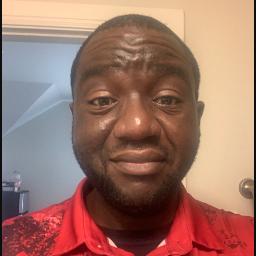
About Andrew
Andrew Oshobu is a licensed clinical social worker who helps people manage stress, anxiety, depression, trauma, and big life changes. He focuses on practical steps that make daily life feel more manageable. He aims to help people rebuild self-esteem and find clarity about life purpose.
He uses a direct but compassionate style in sessions. Conversations are client-led, with an emphasis on real-world tools such as coping plans and skill practice.
Background and approach
He pays attention to cultural background and how identity shapes coping and meaning. Andrew works with issues like abandonment, attachment concerns, communication struggles, and control problems. He also supports people facing divorce or separation, fatherhood questions, and obstacles related to work as a first responder.
Obsessive thoughts, compulsive behaviors, and eating or food-related struggles are part of his caseload. Sessions blend talk, practical exercises, and focused interventions. Techniques come from approaches such as cognitive behavioral methods, mindfulness, and acceptance-based work.
Eye Movement Desensitization and Reprocessing is used when addressing past traumatic memories. Andrew completed training and holds LCSW, a Texas license that reflects his clinical credential. He brings three years of professional experience to his practice and values collaboration.
The goal is steady, manageable progress rather than quick fixes.
Therapeutic approaches and how they work online
Acceptance and Commitment Therapy (ACT) focuses on helping people notice difficult thoughts and feelings without getting stuck in them, then move toward values-guided action. Cognitive Behavioral Therapy (CBT) breaks down unhelpful thinking and behavior patterns and replaces them with skills and experiments that change daily routines and reactions. Eye Movement Desensitization and Reprocessing (EMDR) is used to process distressing memories so they feel less overwhelming and disruptive.Choosing the right approach is a collaborative process. The therapist will talk with each person about their goals, preferences, and what has or hasn’t helped before. Together they will try methods that fit the issue at hand and adjust the plan as progress is made.
Online therapy offers flexible ways to connect. Video calls work well for in-depth sessions that need visual cues. Phone sessions use less bandwidth and can be easier during a busy day. Live chat or text-based messaging suit brief check-ins, skill prompts, or people who prefer typing. These options make it easier to fit therapy into work, family, or shift schedules while still using ACT, CBT, or EMDR techniques adapted for online use.
Questions people ask
What kinds of concerns does he help with?
What is his approach in sessions?
What background does he bring to therapy?
Where is he based and licensed?
Which languages are sessions offered in?
Can people outside the United States work with him?
What session formats are available?
How are costs handled and how do subscriptions work?
What this therapist works with
Also listed
- Abandonment
- Attachment issues
- Communication problems
- Control issues
- Coping with life changes
- Depression
- Divorce and separation
- Eating and food-related issues
- Fatherhood issues
- First responder issues
- Forgiveness
- Guilt and shame
- Jealousy
- Life purpose
- Men's issues
- Multicultural concerns
- Obsessions, compulsions, and OCD
- Panic disorder and panic attacks
- Paranoia
- Phobias
- Post-traumatic stress
- Prejudice and discrimination
- Process addiction (porn, exercise, gambling)
- Self-love
- Social anxiety and phobia
- Workplace issues
Therapeutic approaches
- Experience
- 3 years
- Licensed
- Texas
- Languages
- English
We will earn a commission if you sign up through our link, at no cost to you.