
Karin Johnson, LMSW
Michigan · 21 yrs exp
Works with Stress, Anxiety / Relationship / Family +15
Works by Acceptance and Commitment Therapy (ACT) / Attachment-Based Therapy
View ProfileA Licensed Master Social Worker (LMSW) is a clinician who has completed a master of social work and met state licensing requirements to practice social work. Browse verified LMSW therapists below to review their approaches, specialties, languages, and professional credentials.
Michigan · 21 yrs exp
Works with Stress, Anxiety / Relationship / Family +15
Works by Acceptance and Commitment Therapy (ACT) / Attachment-Based Therapy
View Profile
Michigan · 31 yrs exp
Works with Stress, Anxiety / Family / Trauma and abuse +17
Works by Attachment-Based Therapy / Client-Centered Therapy
View Profile
Michigan · 20 yrs exp
Works with Stress, Anxiety / Addictions / Trauma and abuse +11
Works by Acceptance and Commitment Therapy (ACT) / Client-Centered Therapy
View Profile
Michigan · 40 yrs exp
Works with Stress, Anxiety / Family / Grief +17
Works by Acceptance and Commitment Therapy (ACT) / Client-Centered Therapy
View Profile
Michigan · 40 yrs exp
Works with LGBT / Relationship / Grief +15
Works by Acceptance and Commitment Therapy (ACT) / Client-Centered Therapy
View Profile
Michigan · 9 yrs exp
Works with Stress, Anxiety / Addictions / Relationship +16
Works by Acceptance and Commitment Therapy (ACT) / Attachment-Based Therapy
View Profile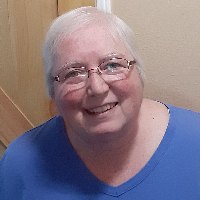
Michigan · 36 yrs exp
Works with Stress, Anxiety / Anger / Self esteem +12
Works by Client-Centered Therapy / Cognitive Behavioral Therapy (CBT)
View Profile
Michigan · 14 yrs exp
Works with Stress, Anxiety / Trauma and abuse / Parenting +11
Works by Client-Centered Therapy / Cognitive Behavioral Therapy (CBT)
View Profile
Michigan · 24 yrs exp · 2 languages
Works with Stress, Anxiety / Grief / Self esteem +16
Works by Client-Centered Therapy / Cognitive Behavioral Therapy (CBT)
View Profile
Michigan · 24 yrs exp · 2 languages
Works with Stress, Anxiety / Addictions / Relationship +16
Works by Acceptance and Commitment Therapy (ACT) / Attachment-Based Therapy
View Profile
Michigan · 25 yrs exp
Works with Stress, Anxiety / Addictions / Grief +16
Works by Acceptance and Commitment Therapy (ACT) / Client-Centered Therapy
View Profile
Michigan · 14 yrs exp
Works with Stress, Anxiety / Addictions / LGBT +2
View Profile
Michigan · 5 yrs exp
Works with Stress, Anxiety / Addictions / Trauma and abuse +2
Works by Acceptance and Commitment Therapy (ACT) / Cognitive Behavioral Therapy (CBT)
View Profile
Michigan · 10 yrs exp
Works with Stress, Anxiety / Addictions / Relationship +12
View Profile
Michigan · 5 yrs exp
Works with Stress, Anxiety / Relationship / Trauma and abuse +9
Works by Cognitive Behavioral Therapy (CBT) / Dialectical Behavior Therapy (DBT)
View Profile
Michigan · 13 yrs exp
Works with Stress, Anxiety / Addictions / Trauma and abuse +17
Works by Acceptance and Commitment Therapy (ACT) / Attachment-Based Therapy
View Profile
Michigan · 28 yrs exp
Works with Stress, Anxiety / Trauma and abuse / Anger +16
Works by Acceptance and Commitment Therapy (ACT) / Client-Centered Therapy
View Profile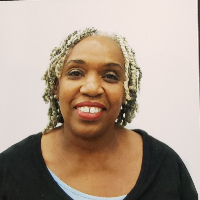
Michigan · 20 yrs exp
Works with Stress, Anxiety / Addictions / Relationship +13
Works by Client-Centered Therapy / Cognitive Behavioral Therapy (CBT)
View Profile
Michigan · 14 yrs exp
Works with Stress, Anxiety / Grief / Self esteem +13
Works by Acceptance and Commitment Therapy (ACT) / Cognitive Behavioral Therapy (CBT)
View Profile
Michigan · 40 yrs exp
Works with Stress, Anxiety / Relationship / Trauma and abuse +10
Works by Attachment-Based Therapy / Client-Centered Therapy
View Profile
Michigan · 20 yrs exp
Works with Stress, Anxiety / Addictions / LGBT +13
Works by Client-Centered Therapy / Cognitive Behavioral Therapy (CBT)
View Profile
Michigan · 41 yrs exp · 2 languages
Works with Stress, Anxiety / Relationship / Family +9
Works by Client-Centered Therapy / Cognitive Behavioral Therapy (CBT)
View Profile
Michigan · 6 yrs exp
Works with Stress, Anxiety / Trauma and abuse / Grief +16
Works by Acceptance and Commitment Therapy (ACT) / Client-Centered Therapy
View Profile
Michigan · 11 yrs exp
Works with Stress, Anxiety / Family / Trauma and abuse +15
Works by Acceptance and Commitment Therapy (ACT) / Attachment-Based Therapy
View Profile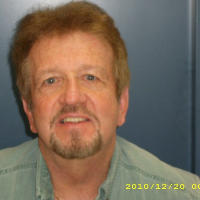
Michigan · 5 yrs exp
Works with Stress, Anxiety / Addictions / Relationship +2
Works by Acceptance and Commitment Therapy (ACT) / Client-Centered Therapy
View Profile
Michigan · 37 yrs exp
Works with Stress, Anxiety / Trauma and abuse / Grief +15
Works by Attachment-Based Therapy / Client-Centered Therapy
View Profile
Indiana · 12 yrs exp
Works with Stress, Anxiety / Trauma and abuse / Self esteem +11
Works by Attachment-Based Therapy / Client-Centered Therapy
View Profile
Michigan · 15 yrs exp
Works with Stress, Anxiety / Family / Anger +17
Works by Acceptance and Commitment Therapy (ACT) / Client-Centered Therapy
View Profile
Wisconsin · 8 yrs exp
Works with Stress, Anxiety / Trauma and abuse / Self esteem +17
Works by Client-Centered Therapy / Cognitive Behavioral Therapy (CBT)
View Profile
Michigan · 5 yrs exp
Works with Stress, Anxiety / Addictions / Grief +12
Works by Cognitive Behavioral Therapy (CBT) / Existential Therapy
View Profile
Michigan · 14 yrs exp
Works with Stress, Anxiety / Addictions / Family +13
Works by Acceptance and Commitment Therapy (ACT) / Client-Centered Therapy
View Profile
Michigan · 14 yrs exp
Works with Stress, Anxiety / Addictions / Relationship +11
Works by Acceptance and Commitment Therapy (ACT) / Client-Centered Therapy
View Profile
Michigan · 12 yrs exp
Works with Stress, Anxiety / Relationship / Grief +15
Works by Attachment-Based Therapy / Client-Centered Therapy
View Profile
California · 19 yrs exp
Works with Stress, Anxiety / Self esteem / Coping with life changes +8
Works by Acceptance and Commitment Therapy (ACT) / Client-Centered Therapy
View Profile
Michigan · 40 yrs exp
Works with Stress, Anxiety / Grief / Self esteem +9
Works by Acceptance and Commitment Therapy (ACT) / Client-Centered Therapy
View Profile
Michigan · 23 yrs exp
Works with Stress, Anxiety / Addictions / Anger +10
Works by Client-Centered Therapy / Cognitive Behavioral Therapy (CBT)
View Profile
Michigan · 32 yrs exp
Works with Addictions / Relationship / Self esteem +8
View Profile
Michigan · 34 yrs exp
Works with Stress, Anxiety / Relationship / Family +13
Works by Client-Centered Therapy / Cognitive Behavioral Therapy (CBT)
View Profile
Florida · 9 yrs exp
Works with Parenting / Anger / Self esteem +9
Works by Attachment-Based Therapy / Client-Centered Therapy
View Profile
Michigan · 10 yrs exp
Works with Addictions / Relationship / Trauma and abuse +17
Works by Client-Centered Therapy / Cognitive Behavioral Therapy (CBT)
View Profile
Michigan · 20 yrs exp
Works with Stress, Anxiety / LGBT / Relationship +13
Works by Acceptance and Commitment Therapy (ACT) / Client-Centered Therapy
View Profile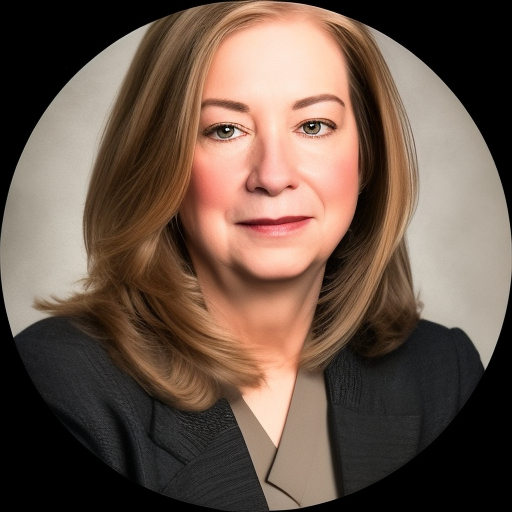
Michigan · 32 yrs exp
Works with Stress, Anxiety / Relationship / Self esteem +12
Works by Acceptance and Commitment Therapy (ACT) / Client-Centered Therapy
View Profile
Michigan · 8 yrs exp
Works with Stress, Anxiety / Addictions / Trauma and abuse +11
Works by Acceptance and Commitment Therapy (ACT) / Attachment-Based Therapy
View Profile
Michigan · 30 yrs exp
Works with Stress, Anxiety / Grief / Self esteem +2
View Profile
Michigan · 40 yrs exp
Works with Stress, Anxiety / Relationship / Family +14
Works by Acceptance and Commitment Therapy (ACT) / Client-Centered Therapy
View Profile
Florida · 10 yrs exp
Works with Stress, Anxiety / Trauma and abuse / Grief +16
Works by Client-Centered Therapy / Cognitive Behavioral Therapy (CBT)
View Profile
Michigan · 8 yrs exp
Works with Stress, Anxiety / Parenting / Anger +8
Works by Cognitive Behavioral Therapy (CBT) / Dialectical Behavior Therapy (DBT)
View Profile
Michigan · 8 yrs exp
Works with LGBT / Trauma and abuse / Self esteem +17
Works by Client-Centered Therapy / Cognitive Behavioral Therapy (CBT)
View ProfileWhen you see the LMSW credential, it indicates that the clinician earned a master of social work degree from an accredited program and completed the licensure process required by their state. That process typically includes supervised fieldwork during the degree program, application to the state licensing board, and passing a standardized examination for social workers. The LMSW designation signals a professional foundation in social work theory, clinical practice, ethics, and the social systems that affect health and wellbeing. While exact educational pathways and supervision requirements vary by state, the LMSW is a common early-career clinical license that lets practitioners apply social work skills in clinical, community, and organizational settings. For you, that means an LMSW brings formal training in assessment, case conceptualization, and client-centered interventions rooted in social work principles.
Understanding what an LMSW can do helps you match your needs to a therapist's expertise. An LMSW is qualified to provide psychotherapy, conduct psychosocial assessments, develop treatment plans, and coordinate referrals or community resources. In many states an LMSW can practice independently within defined limits, while in other states they may work under clinical supervision until they pursue an advanced clinical license. Compared with master-level licenses in other professions, an LMSW emphasizes a systems perspective - considering family, community, and institutional factors in assessment and intervention. If you are weighing different credentials, note that some licenses may offer expanded privileges after additional supervised hours or exams. Rather than relying only on a credential label, look at how a clinician describes their approach, populations served, and years of experience to determine if their scope aligns with your goals.
LMSW therapists work across a wide range of specialties, and you will often find professionals who focus on areas such as anxiety, depression, trauma, relationship concerns, life transitions, grief, and parenting challenges. Many LMSWs practice in community mental health, school settings, hospitals, non-profit organizations, and independent practice. You may also find LMSW clinicians who emphasize work with children, adolescents, older adults, or specific cultural communities. When a therapist lists approaches like cognitive-behavioral techniques, psychodynamic-informed work, family systems perspectives, or mindfulness-based strategies, understand that these are the ways they commonly work with clients. Some therapists list EMDR among their approaches or reference other modalities; that phrasing reflects what they use in practice rather than formal certification details. If you have a particular concern - for example, complex trauma or chronic stress - you can look for LMSWs who describe experience addressing similar issues and who communicate a clear process for assessment and treatment planning.
Verifying a license is a practical step that helps you feel confident about a clinician's professional standing. State licensing boards maintain public registries where you can search by name or license number to confirm current licensure status, the date of issuance, and any disciplinary actions. Many therapists list their licensing state and license number on their profiles, which you can use to look up official records. You can also review a clinician's stated education and professional affiliations to understand their training background. If a therapist lists specific approaches or specialties, remember that these descriptions reflect what they report about their practice. When you reach out to a clinician or their office for initial questions, you can ask about their licensure, the state board that issued it, and the supervisory pathway they followed if you want more detail about their clinical development. Checking the licensing board is the most direct way to confirm that an LMSW credential is active and recognized by the relevant authority.
Choosing an LMSW can offer particular advantages depending on what you need. LMSW clinicians are trained to view individual difficulties in context, taking into account family dynamics, community resources, and systemic factors that influence wellbeing. That orientation can be useful if you want help navigating social supports, accessing community services, or understanding how environmental stressors affect mental health. LMSWs often bring experience working with diverse populations and coordinating care across settings, which can be valuable when your needs touch multiple areas of life such as work, school, or family responsibilities.
Finding the right match involves more than a credential. Start by clarifying what you want from therapy - symptom relief, coping strategies, relationship work, or long-term personal growth. Read therapist profiles to learn about the populations they serve, the approaches they list, and the languages they speak. Pay attention to how a clinician describes their therapeutic process and what they emphasize in initial sessions, such as assessment, goals, and collaboration. You can also look for indications of experience with specific issues similar to yours, as described in their profile. If you have cultural or identity-related needs, search for LMSWs who mention experience working with similar communities or who speak your preferred language. Finally, think about practical matters that matter to you - communication style, session length, and how progress is reviewed - and use initial contact to ask about those elements. A clear, respectful exchange early on can help you sense whether a therapist's approach fits your expectations.
Choosing a therapist is a personal decision, and the LMSW credential is one piece of the picture. By focusing on a clinician's stated approaches, specialty areas, professional background, and how they communicate about their work, you can make a more informed choice about who may be a good fit for your goals. Use the profiles below to explore LMSW therapists who list the skills and perspectives you value, and reach out to learn more about their practice approach and how they describe working with clients.