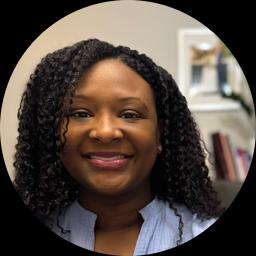
About Quaneisha
Quaneisha Gilliam is a Licensed Professional Counselor (LPC) who has worked in mental health for four years. She earned a degree in Clinical Mental Health Counseling from Regent University in 2021. She blends clinical skills with options for a faith-based perspective when clients prefer Christian principles in sessions.
Quaneisha centers the conversation on each person's priorities. She treats people as the experts on their own lives and offers guidance while they set goals.
Background and approach
Sessions focus on clear steps and real-life coping strategies rather than jargon. Her practice addresses common concerns such as stress, anxiety, depression, and self-esteem. She also helps people dealing with relationship strain, family problems, and caregiver stress.
Phobias, panic attacks, obsessive-compulsive patterns, and post-traumatic stress are among the additional areas she addresses. Quaneisha pays attention to how daily life affects mood and behavior. She works with issues like codependency, control struggles, communication problems, guilt, shame, isolation, and questions about life purpose.
Practical skills and steady pacing are emphasized so progress feels manageable. Sessions are offered in English and conducted from Virginia. Quaneisha uses a collaborative style that mixes talk therapy with homework-style practice when useful.
She invites people to describe what matters most and then helps shape a plan to reach those goals.
Approaches and online care that fit your life
Quaneisha uses evidence-based therapeutic techniques tailored to each person. One common approach focuses on building skills to manage anxiety and panic - this uses structured strategies to reduce avoidance and teach breathing and grounding methods to handle sudden symptoms. Another approach targets obsessive thoughts and compulsive behaviors by breaking tasks into small, repeated exercises that help change unhelpful responses and reduce compulsions over time.Finding the right approach is part of the work together. She will talk with each person about goals, preferences, and what has or hasn't helped before. That collaborative process guides which techniques are tried and how they are adjusted as progress is made.
Online therapy offers flexible ways to meet. Video calls let the therapist and client talk face to face when a longer session is helpful. Phone sessions can be used when bandwidth is limited or a shorter check-in fits a break at work. Live chat and text-based messaging work well for brief updates, quick coping reminders, or when someone prefers writing to speaking. These options make it easier to keep therapy consistent around life demands.
Questions people ask
What concerns does this therapist address?
How would you describe her therapy style?
What is her background in mental health?
What credentials and location are listed?
Which languages are supported and can international clients join?
What session formats are available?
How are costs handled for sessions?
How do I begin working with this therapist?
What this therapist works with
Most often
- Stress, Anxiety
- Relationship issues
- Family conflicts
Also listed
- Caregiver issues and stress
- Codependency
- Communication problems
- Control issues
- Depression
- Domestic violence
- Family problems
- Forgiveness
- Guilt and shame
- Isolation / loneliness
- Life purpose
- Mood disorders
- Obsessions, compulsions, and OCD
- Panic disorder and panic attacks
- Phobias
- Post-traumatic stress
- Self esteem
- Self-love
- Social anxiety and phobia
- Women's issues
- Workplace issues
- Young adult issues
- Experience
- 4 years
- Licensed
- Virginia
- Languages
- English
We will earn a commission if you sign up through our link, at no cost to you.