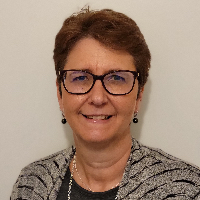
About Nola
Dr. Nola Litwins is a psychologist who uses clear, practical methods to help people manage anxiety, stress, and phobias. She brings 23 years of experience and describes therapy as a collaborative process focused on real-life changes.
She practices from a client-centered stance, which means she listens first and tailors work to each person. Cognitive behavioral techniques are used to identify unhelpful thoughts and build new coping skills. Solution-focused strategies help people set short-term goals and see progress quickly.
Background and approach
Much of Dr. Litwins' background involves supporting adults with chronic medical conditions, brain injury, and pain management. She has also worked with people facing depression, grief, relationship struggles, and concerns about body image or eating.
This mix of experience informs practical plans for daily life challenges. Clients who are considering weight loss by surgery or behavioral change may find relevant experience here, since Dr. Litwins has spent many years helping people in those situations.
She also addresses mood disorders, panic and social anxiety, trauma-related problems, and caregiver stress. Sessions aim to combine short-term strategies and exploring personal history when that helps explain current patterns. Dr.
Litwins holds the credential TX Psychologist 30805 and practices in Texas, offering straightforward, goal-oriented support for people ready to work on change.
How therapy approaches translate to online care
Client-centered therapy focuses on listening and responding to each person's priorities. Online sessions using this approach begin by asking what matters most and shaping the work around those goals. Cognitive Behavioral Therapy, or CBT, helps people spot unhelpful thoughts and practice new behaviors; in online sessions this often means setting simple homework and tracking progress between meetings.Finding the right approach is part of the work. The therapist will discuss goals, preferences, and what has or hasn’t helped before. Together they decide whether to emphasize CBT, solution-focused steps, or more exploration of past history when that will clarify patterns and support change.
Online formats can make this process easier to fit into life. Video calls are useful for longer therapy sessions that benefit from face-to-face interaction. Phone sessions can be a good alternative when bandwidth or surroundings make video difficult. Live chat and text-based messaging let people check in, get short coaching, or handle brief follow-ups without needing a full session - helpful for quick problem solving or during busy weeks.
Questions people ask
What concerns does this therapist address?
What is the therapist's style in sessions?
How much experience does she have?
What are her credentials and location?
Which languages are supported and can international clients join?
What session formats are available?
How are costs handled?
How do I begin working with this therapist?
What this therapist works with
Most often
- Stress, Anxiety
- Relationship issues
- Grief
Also listed
- ADHD
- Aging and geriatric issues
- Anger management
- Bipolar disorder
- Body image
- Career difficulties
- Caregiver issues and stress
- Chronic pain, illness, and disability
- Coaching
- Compassion fatigue
- Coping with life changes
- Depression
- Eating and food-related issues
- Eating disorders
- Family conflicts
- Family of origin issues
- Guilt and shame
- Intimacy-related issues
- LGBT
- Mood disorders
- Panic disorder and panic attacks
- Phobias
- Self esteem
- Social anxiety and phobia
- Somatization
- Trauma and abuse
- Traumatic brain injury
Therapeutic approaches
- Experience
- 23 years
- Licensed
- Texas
- Languages
- English
We will earn a commission if you sign up through our link, at no cost to you.