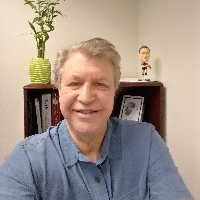
About Scott
Scott Underwood is a Licensed Clinical Social Worker with 23 years of experience. He began his mental health career in the Army and later worked in community mental health, psychiatric hospitals, and independent practice. He has also spent time providing services to active duty Air Force members at Nellis and Creech Air Force Base.
He helps people facing stress, anxiety, depression, trauma, and phobias. He offers problem solving and anger management skills for everyday life.
Background and approach
He works with both people facing severe conditions and those who are usually high functioning but have hit a rough patch. Scott keeps sessions straightforward and down-to-earth. Therapy does not have to be heavy or intimidating.
When appropriate, he uses humor to ease tension and make progress feel more manageable. New clients are encouraged to bring an idea of what they want from therapy. He can focus on assessment and treatment recommendations, provide active listening, work toward short-term goals, or support longer-term growth depending on the person’s needs.
Scott is flexible about how therapy looks. He will adapt if goals change or if a person decides to try a different approach. He aims to match his work to each person’s priorities and pace.
Approaches for trauma and anxiety in online care
Scott uses Cognitive Behavioral Therapy to help people identify unhelpful thoughts and try new behaviors. CBT sessions often include practical exercises and small homework tasks to reduce anxiety, manage panic, and address mood concerns.He also uses Eye Movement Desensitization and Reprocessing, a trauma-informed method intended to reduce the intensity of disturbing memories and reactions. EMDR sessions aim to lessen distress linked to past events and can be helpful for post-traumatic stress and related symptoms.
Choosing the right approach is a collaborative process. He will talk with each person about their goals, symptoms, and preferences, then tailor a plan and adjust it over time. Clients can start with brief goals or plan for longer-term work depending on what they want to achieve.
Online therapy offers flexible ways to connect, including video calls, phone sessions, live chat, and text-based messaging. Video is useful for in-depth conversation and visual cues, phone calls work well when bandwidth is limited, chat can fit quick check-ins during a busy day, and messaging lets people reflect between sessions. These options make it easier to maintain continuity of care while fitting therapy into daily life.
Questions people ask
What concerns does Scott commonly address?
What is his therapeutic style like?
How much experience does he have?
What credentials and region are listed?
Are sessions offered in other languages or internationally?
What session formats are available?
How does cost and payment work?
How do I begin working with him?
What this therapist works with
Most often
- Stress, Anxiety
- Trauma and abuse
- Parenting issues
Also listed
- Anger management
- Bipolar disorder
- Career difficulties
- Coaching
- Coping with life changes
- Depression
- Eating disorders
- Family conflicts
- Family problems
- Grief
- Intimacy-related issues
- Midlife crisis
- Mood disorders
- Panic disorder and panic attacks
- Phobias
- Post-traumatic stress
- Relationship issues
- Self esteem
- Sleeping disorders
- Social anxiety and phobia
- Veteran and Armed Forces Issues
Therapeutic approaches
- Experience
- 23 years
- Licensed
- California
- Languages
- English
We will earn a commission if you sign up through our link, at no cost to you.