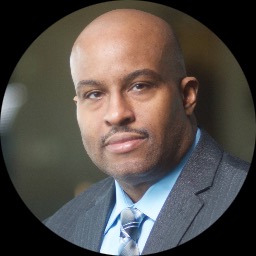
About Phillip
Phillip Hampton is a Licensed Clinical Social Worker (LCSW) who helps people dealing with stress, anxiety, depression, and self-esteem struggles. He also supports those coping with anger, relationship concerns, panic attacks, and specific fears such as phobias. He speaks plainly and focuses on practical steps to reduce worry and improve day-to-day functioning.
Phillip uses straightforward conversation to identify what feels most urgent. He listens for patterns that keep problems active and then suggests small, manageable changes.
Background and approach
Sessions aim to build skills you can use between meetings, like breathing or communication techniques, and to track progress week to week. He brings nine years of professional experience as a social worker in Texas. Phillip combines psychotherapy with coaching and education when that fits a person's goals.
That mix lets him tailor work to emotional issues, life transitions, and behavior change. People working with him often focus on concrete goals such as reducing panic episodes, improving sleep, or handling conflict more calmly. He pays particular attention to social anxiety, isolation, and the impact of stress on mood and relationships.
The approach is collaborative and paced to each person’s comfort level. Therapy is available through video calls, phone sessions, live chat, or text-based messaging. Sessions follow a subscription model that can be canceled at any time, and meeting times are arranged after a short matching questionnaire and scheduling step.
Evidence-based techniques and online access
Phillip uses evidence-based therapeutic techniques that focus on reducing symptoms and teaching coping skills. One common approach emphasizes gradual exposure and skill rehearsal to lessen panic and phobic responses; this involves facing feared situations in small steps while practicing calming techniques. Another approach centers on mood and anxiety management through behavioral changes and short cognitive exercises that help interrupt anxious thought patterns and improve daily routines.Finding the right approach is a collaborative process. The therapist will ask about current struggles, goals, and preferences, then tailor methods together rather than imposing a single path. Clients and the therapist review what is working and adjust the plan as needed to match progress and comfort level.
Online sessions are offered by video calls, phone, live chat, or text-based messaging to make therapy flexible and accessible. Video works well for face-to-face conversation and skill demonstrations, while phone sessions use less bandwidth and can fit a break at work. Live chat and text messaging allow brief check-ins and written reflections between longer sessions. These options help people keep continuity of care and fit therapy into a busy life.
Questions people ask
What kinds of concerns does he work with?
How would you describe his therapeutic style?
What is his professional background?
Where is he licensed and based?
Which languages are offered for sessions?
What session formats are available?
How are costs and payments handled?
How do I begin working with him?
What this therapist works with
Most often
- Stress, Anxiety
- Relationship issues
- Anger management
Also listed
- Experience
- 9 years
- Licensed
- Texas
- Languages
- English
We will earn a commission if you sign up through our link, at no cost to you.