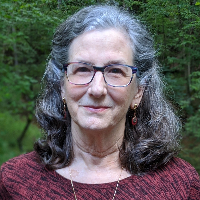
About Margaret
Dr. Margaret "Betsy" Vonk is a Licensed Clinical Social Worker with two decades of hands-on counseling experience. She works in Georgia and brings a warm, nonjudgmental approach to conversations about stress, anxiety, depression, grief, and phobias.
Dr. Vonk uses clear, practical strategies to help people manage everyday struggles and build new coping skills. She combines client-centered care with cognitive-behavioral techniques to address thoughts and habits that keep people stuck.
She also draws on existential ideas when questions about meaning, purpose, or life transitions come up.
Background and approach
Sessions focus on identifying strengths and practicing skills that can be used outside the therapy room. Dr. Vonk has also worked with issues tied to adoption and foster care, family of origin concerns, caregiver stress, aging, and isolation.
She pays attention to intimacy-related issues, parenting stress, self-esteem, and compassion fatigue. Her background in teaching clinical social work informs a clear, educational style that many people find helpful. Her manner is collaborative: she listens first, then helps create a plan based on the person's goals and preferences.
Therapy may include short practical exercises, thought-tracking, and conversation about values and life choices. The aim is steady progress rather than quick fixes. Beginning therapy is often hard.
Dr. Vonk encourages small, realistic steps and works at a pace that fits each person. She brings experience, patience, and an emphasis on real-world skills to support lasting change.
How therapeutic approaches translate to online care
Client-Centered Therapy emphasizes listening and building a respectful relationship. In practice this means the therapist follows the person's pace, reflects what matters most, and helps identify strengths to use when handling stress or grief.Cognitive Behavioral Therapy (CBT) focuses on the link between thoughts, feelings, and actions. Online CBT sessions often teach simple exercises for noticing thought patterns, testing unhelpful beliefs, and practicing different behaviors to reduce anxiety or phobias.
Finding the right approach is part of the work. The therapist will collaborate with each person to decide which methods fit their goals and comfort level. That might mean starting with client-centered listening, adding CBT tools, or discussing meaning and values with existential ideas.
Online therapy offers practical flexibility. Video calls allow face-to-face conversation across distance. Phone sessions can be easier when bandwidth is limited or for quick check-ins. Live chat and text-based messaging support brief check-ins, written reflections, or follow-up between sessions. These options make it simpler to fit therapy into a busy life and keep momentum between meetings.
Questions people ask
What kinds of problems does she help with?
How would you describe her therapy style?
What is her experience working in this field?
What credentials and region should I know about?
Which languages are sessions offered in?
Can I work with her from another country?
What session formats are available?
How does the cost and scheduling work?
What this therapist works with
Most often
- Stress, Anxiety
- Relationship issues
- Grief
Also listed
Therapeutic approaches
- Experience
- 20 years
- Licensed
- Georgia
- Languages
- English
We will earn a commission if you sign up through our link, at no cost to you.