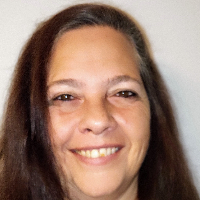
About Laura
Laura Anderson is a licensed mental health counselor who helps people manage overwhelming anxiety, stress, mood swings, and low motivation. She speaks plainly and focuses on practical steps so daily life feels easier. Her approach aims to reduce panic and increase steady, better days through skills that fit each person.
She blends techniques from several approaches rather than using one fixed method. That allows adjusting strategies if something isn’t helping.
Background and approach
Sessions may include breathing and grounding, short behavioral experiments, and skills for handling strong emotions. Laura brings ten years of clinical experience in Florida to her practice. She uses Acceptance and Commitment Therapy and Cognitive Behavioral Therapy ideas alongside mindfulness and client-centered listening.
That mix supports people working through grief, life transitions, career stress, and relationship challenges. Clients with intense anger, repeated panic attacks, or persistent low mood are offered tools to recognize triggers and change unhelpful patterns. She also helps people facing issues like abandonment, codependency, caregiver stress, and isolation find more stable ground.
Her style is straightforward and occasionally lighthearted when appropriate. The goal in sessions is to teach manageable skills that can be practiced between meetings. Prospective clients who prefer English-language care and want remote options will find practical ways to get started.
Online approaches that focus on skills and present-moment change
Acceptance and Commitment Therapy, or ACT, helps people notice difficult thoughts and feelings without getting stuck in them. It teaches values-based action so clients can take steps that matter even when emotions are strong. Cognitive Behavioral Therapy, or CBT, breaks problems into thoughts, feelings, and behaviors and teaches small experiments to test and change unhelpful patterns. It is often used for anxiety, panic, and mood concerns to create more predictable responses. Finding the right approach is part of the work. The therapist will listen to goals, try techniques together, and adjust methods based on what actually helps. That collaborative process makes it easier to pick tools that fit the person rather than forcing a single method. Online sessions can be scheduled as video calls, phone sessions, live chat, or text-based messaging. Video works well for deeper conversation and demonstrations of skills. Phone sessions use less bandwidth and can fit into a work break. Live chat or text messaging can be useful for short check-ins, prompts, and skill practice between longer sessions. These options offer flexibility to fit therapy into a busy routine and to keep practicing skills when they matter most.Questions people ask
What concerns does she address?
What is her general approach in sessions?
How much clinical experience does she have?
What credentials and location apply to her practice?
Which languages are supported?
Can international clients work with her?
What session formats are available?
How are costs and getting started handled?
What this therapist works with
Most often
- Stress, Anxiety
- Anger management
- Self esteem
Also listed
- Abandonment
- Antisocial personality
- Career difficulties
- Caregiver issues and stress
- Codependency
- Communication problems
- Control issues
- Coping with life changes
- Depression
- Divorce and separation
- Family conflicts
- Forgiveness
- Grief
- Guilt and shame
- Intellectual disability
- Isolation / loneliness
- Life purpose
- Mood disorders
- Narcissism
- Panic disorder and panic attacks
- Paranoia
- Parenting issues
- Personality disorders
- Phobias
- Relationship issues
- Self-love
- Workplace issues
Therapeutic approaches
- Experience
- 10 years
- Licensed
- Florida
- Languages
- English
We will earn a commission if you sign up through our link, at no cost to you.