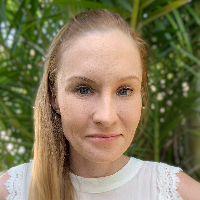
About Katherine
Dr. Katherine Sherman uses cognitive behavioral approaches to help people manage anxiety, stress, and related concerns. She is a Florida psychologist with a decade of clinical experience and a direct, practical style.
She focuses on clear skills people can use between sessions. She is based in Florida and works in English. Her work often centers on anxiety, panic, phobias, and obsessive worries.
She helps people break problems into manageable steps and practice new habits that reduce distress.
Background and approach
She also addresses sleep troubles, low mood, anger, and self-esteem struggles with structured techniques and short-term goals. Dr. Sherman supports parents who want concrete parenting strategies for disruptive behavior and other child-related challenges.
She also helps people coping with chronic pain, illness, and medical conditions. For people with attention concerns she uses behavioral strategies to improve daily functioning. Her sessions blend practical skill teaching with calm, straightforward conversation.
She explains techniques in simple language and checks in on how well strategies are working. Sessions are aimed at building skills that fit into everyday life. Dr.
Sherman received her Ph.D. from the University of Florida in 2010 and holds the credential FL Psychologist PY9474. Her background includes ten years of clinical work with individuals and parents. She offers video, phone, live chat, and text-based messaging formats for remote care.
Cognitive Behavioral Tools Delivered Online
CBT, short for cognitive behavioral therapy, focuses on identifying unhelpful thoughts and changing the behaviors that keep problems going. It is commonly used for anxiety, panic, phobias, OCD-related concerns, and mood issues by teaching step-by-step strategies and practice exercises.Behavioral techniques often accompany cognitive work - for example, gradual exposure for phobias or activity scheduling for low mood. These methods break larger problems into small, manageable tasks to reduce avoidance and build confidence over time.
Choosing the right approach is a collaborative process. The therapist will work with each person to match strategies to their goals, preferences, and everyday routines. Together they review what helps and adjust the plan as progress is made.
Online formats include video calls, phone sessions, live chat, and text-based messaging. Video is useful for face-to-face conversation and guided skill practice. Phone sessions can fit a break at work or when bandwidth is limited. Live chat and text messaging let people check in, get brief coaching, or keep momentum between sessions. These options make it easier to fit therapy into busy schedules and daily life.
Questions people ask
What concerns does she help with?
What is her therapeutic style?
How much clinical experience does she have?
What are her credentials and location?
Which languages and regions are supported?
What session formats are available?
How does payment and cost work?
How do I begin working with her?
What this therapist works with
Most often
- Stress, Anxiety
- Parenting issues
- Depression
Also listed
- ADHD
- Anger management
- Chronic pain, illness, and disability
- Coping with life changes
- Family conflicts
- Mood disorders
- Obsessions, compulsions, and OCD
- Panic disorder and panic attacks
- Phobias
- Self esteem
- Sleeping disorders
- Social anxiety and phobia
- Trichotillomania
- Young adult issues
Therapeutic approaches
- Experience
- 10 years
- Licensed
- Florida
- Languages
- English
We will earn a commission if you sign up through our link, at no cost to you.