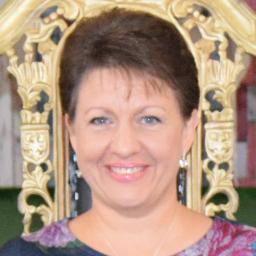
About Jurgita
Jurgita Dobiliene is a counsellor who uses an integrative, person-centred approach. She draws on ten years of experience to help people manage anxiety, stress and low mood. Jurgita also supports those facing grief, trauma, health-related challenges and specific issues such as phobias.
Her work begins by listening closely to what someone is experiencing. She asks simple questions about sleep, concentration and daily routines. Sessions focus on practical steps people can try between meetings, and on building small, steady changes that reduce overwhelm.
Background and approach
Jurgita trained first as an oncology nurse in Lithuania, which shaped her interest in psychological care for people facing illness. She later studied counselling and complementary methods including hypnotherapy, and has practised in the United Kingdom for a decade. Her practice blends Client-Centred Therapy with mindfulness and Emotionally-Focused ideas to help people feel heard and regulated.
She also uses Eye Movement Desensitisation and Reprocessing, when appropriate, to address distress linked to past events. Typical sessions are conversational and practical. People can expect breathing and grounding exercises, gentle exploration of feelings, and collaborative goal-setting.
The emphasis is on pacing change so it feels manageable. Jurgita aims to create a calm space where someone can talk honestly about pain, loss or fear. She helps people build coping skills, restore a sense of control, and move towards clearer day-to-day functioning.
Therapeutic approaches and online support
Jurgita uses Client-Centred Therapy to keep the person’s experience central. This approach means sessions focus on what matters most to the individual, with the counsellor listening closely and reflecting back what is heard. It helps people who need a non-judgemental space to understand their feelings.She also draws on Eye Movement Desensitisation and Reprocessing to work with distress linked to past events. EMDR involves structured processing of upsetting memories and can reduce the intensity of emotional reactions for some people who have experienced trauma.
Finding the right approach is part of the work together. The counsellor will discuss goals, preferences and what feels comfortable, and then decide collaboratively which methods to use or combine. This makes the therapy flexible and tailored to each person’s needs.
Online sessions are offered by video call, phone, live chat or text-based messaging to suit different situations. Video calls allow face-to-face conversation and visual cues. Phone sessions can be a good alternative when bandwidth is limited or when someone prefers not to be on camera. Live chat and messaging suit shorter check-ins or people who find writing easier than speaking. These options aim to make attending sessions more practical and easier to fit into daily life.
Questions people ask
What concerns does this counsellor help with?
What is the style of therapy like?
How much experience does the counsellor have?
What credentials and region are listed?
Which languages are used and can international clients join?
In what formats are sessions offered?
How does the cost of sessions work?
What are the steps to begin therapy?
What this therapist works with
Most often
Also listed
- ADHD
- Anger management
- Cancer
- Career difficulties
- Caregiver issues and stress
- Chronic pain, illness, and disability
- Compassion fatigue
- Coping with life changes
- Family problems
- Hospice and end-of-life counseling
- Midlife crisis
- Parenting issues
- Phobias
- Relationship issues
- Self esteem
- Trauma and abuse
Therapeutic approaches
- Experience
- 10 years
- Licensed
- Languages
- English
We will earn a commission if you sign up through our link, at no cost to you.