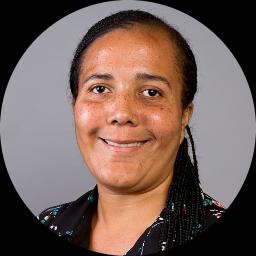
About Alicia
Alicia Betancourt is a Florida licensed clinical social worker with 11 years of experience. She offers calm, practical support for people facing stress, anxiety, grief, low self-esteem, and life changes. She meets each person where they are and focuses on small, useful steps.
Sessions are aimed at finding strengths and building a plan that fits daily life. Alicia listens and helps clients sort through feelings and decisions without medical jargon.
Background and approach
Her background includes work with people living with bipolar disorder, ADHD, and those coping with trauma or traumatic brain injury. She also supports people navigating career stress, relationship strain, anger, and phobias. Her experience includes helping people with multicultural concerns and with disabilities such as hearing impairment.
Alicia draws on evidence-based therapeutic techniques to guide practical coping strategies. She adapts approaches to the person’s needs, pace, and goals rather than using a single method for everyone. Sessions may involve talking through difficult moments, setting achievable goals, and practicing new ways to handle stress.
Clients can expect straightforward guidance and a focus on realistic steps they can use between meetings.
Approaches that translate well to online care
Alicia uses evidence-based therapeutic techniques that translate cleanly to remote work. One approach focuses on practical coping skills and problem solving to reduce daily stress and anxiety; it helps people break large problems into manageable steps. Another approach centers on mood and behavior tracking to spot patterns in depression, bipolar mood shifts, or ADHD challenges; this makes it easier to adjust strategies over time.Choosing the right approach is collaborative. Alicia works with each person to decide which techniques match their needs, goals, and preferences. She may combine methods and will adjust the plan as progress is made or circumstances change.
Online therapy options include video calls, phone sessions, live chat, and text-based messaging. Video calls allow a face-to-face conversation when visual cues help. Phone sessions use less bandwidth and can fit into a busy schedule. Live chat and text messaging are useful for quick check-ins, short reflections, or when typing feels easier than talking. These formats make it simpler to keep therapy consistent despite work, travel, or caregiving commitments.
Questions people ask
What kinds of concerns does she address?
What is her therapeutic style like?
How much experience does she have?
What are her credentials and location?
Which languages are supported?
What session formats are available?
How is cost handled?
How do I begin working with her?
What this therapist works with
Most often
- Stress, Anxiety
- Family conflicts
- Grief
Also listed
- ADHD
- Aging and geriatric issues
- Anger management
- Avoidant personality
- Bipolar disorder
- Blended family issues
- Career difficulties
- Codependency
- Compassion fatigue
- Coping with life changes
- Coping with natural or human-caused disaster
- Dependent personality
- Depression
- Disruptive Mood Dysregulation Disorder (DMDD)
- Fatherhood issues
- Hearing impaired
- Multicultural concerns
- Paranoia
- Personality disorders
- Phobias
- Prejudice and discrimination
- Relationship issues
- Self esteem
- Traumatic brain injury
- Visually impaired
- Young adult issues
- Experience
- 11 years
- Licensed
- Florida
- Languages
- English
We will earn a commission if you sign up through our link, at no cost to you.